




Losing a pet is frequently one of the most difficult experiences an owner will face. When end-of-life decisions are required, a clear understanding of available options—such as pet cremation and aquamation—is essential to ensure a respectful farewell. This guide explains the principal differences between these methods, outlines the principal benefits of each, and describes factors to consider when choosing the appropriate service. By reviewing the emotional and environmental implications, as well as memorial options, you will be better equipped to make an informed decision.
Given the significance of these decisions, it is important to assess the distinctions between methods and the services offered. Reviewing the options provided by established providers, such as Compassionate Care Pet Aquamation, may assist in planning a meaningful and dignified farewell.
Pet Cremation and Aquamation Overview
Pet cremation and aquamation are two established methods for pet disposition. Cremation uses high-temperature incineration to reduce the body to ashes that may be returned to the owner. Aquamation, or alkaline hydrolysis, employs a controlled combination of water, heat and an alkaline solution to accelerate natural decomposition, resulting in liquid and organic remains.
Owners should also review memorial options, such as urns and keepsakes, which permit a lasting tribute to the pet. A clear understanding of these differences supports better decision-making at an emotional time.
1. Pet Cremation:
Cremation is a traditional method in which the pet’s body is incinerated at high temperature, typically over the course of a few hours, producing ashes that are returned to the owner—often in a memorial urn. Many owners derive comfort from retaining the remains as part of a lasting home memorial. For those in the New York City area, services like pet cremation in NYC are available.
Cremation is widely used, though some owners express concern about environmental impact due to emissions from high-temperature burning. Despite these concerns, it remains a commonly selected option.
2. Aquamation:
Aquamation is an increasingly adopted alternative noted for its lower environmental impact. The method places the body in a solution of water and alkali; controlled temperature and gentle agitation accelerate natural decomposition. The process typically requires six to twelve hours to complete, depending on the pet’s size and the facility’s protocols.
Following aquamation, the remains consist of organic material that may be returned to the owner in an environmentally safe form. Many owners value the process for its alignment with sustainability principles and its perceived compassion.
Benefits of Aquamation:
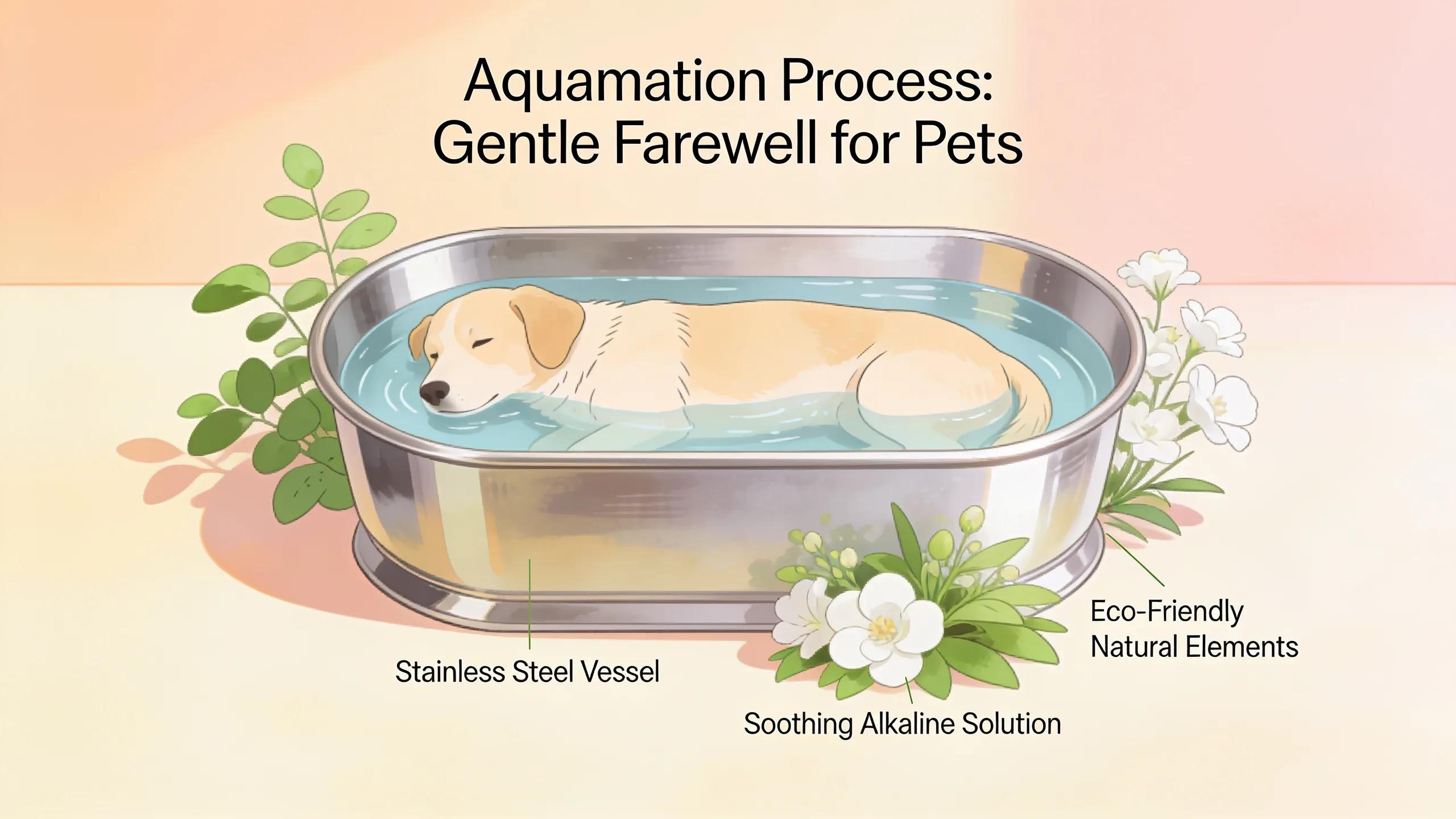
- Lower Environmental Impact: Aquamation is an environmentally friendly process that minimizes emissions, making it a gentler alternative to cremation.
- More Remains Returned: Pet owners often receive a greater return of remains, including the bone fragments that may be missing from cremation due to the high temperatures involved.
- Compassionate Process: Aquamation is seen as a more nurturing way for the body to be returned to nature, aligning with many pet owners’ values regarding the environment.
Aquamation provides a distinct and carefully managed option for owners who wish to honour their pets while prioritising environmental considerations.
Choosing the Right Service:
Selecting between cremation and aquamation requires assessment of environmental impact, emotional preferences and financial considerations. The decision should reflect both personal values and practical needs.
- Services Offered: Compare the different offerings from facilities that provide either service. Consider factors such as private versus communal cremation and the level of aftercare available.
- Memorial Options: Explore available memorialization options like personalized urns, keepsakes, or even planting memorials with nurturing plants using the ashes.
- Costs: Evaluate the costs associated with each method of pet disposition. While prices vary based on facility and service level, being informed can help in decision-making.
For those seeking a reputable facility, Compassionate Care Pet Aquamation can provide guidance and emotional support throughout the process, including assistance with euthanasia services to facilitate a peaceful transition.
What Is Pet Aquamation and How Does It Work?
Pet aquamation is a sustainable alternative to traditional cremation that employs alkaline hydrolysis to decompose the body. The procedure typically begins with placement of the body in a stainless steel vessel containing an alkaline solution and water; applied heat and the chemical environment promote a controlled breakdown of organic material.
Under normal conditions, the procedure requires approximately six to twelve hours to complete, after which the processed remains are returned to the owner. Many owners find reassurance in the method’s reduced environmental impact compared with conventional cremation.
What Are the Step-by-Step Procedures of the Aquamation Process?
The aquamation process generally follows these steps:
- Preparation: The pet’s body is prepared for the process, ensuring all external materials are removed, and the pet is placed into the alkaline solution.
- Aquamation: The body undergoes aquamation, where it will typically spend 6 to 12 hours in a specially designed chamber.
- Post-Processing: Once completed, what remains will be processed further to ensure the return of organic remains suitable for memorial practices.
This methodical and respectful procedure is designed to return organic material to the family in a manner that is both dignified and environmentally considerate.
How Does Aquamation Differ From Traditional Pet Cremation?
When comparing aquamation to traditional cremation, several key distinctions are evident:
- Environmental Impact: While cremation releases emissions and typically requires energy-consuming incineration, aquamation is a closed-loop system that reduces carbon footprints significantly.
- Return of Remains: The aquamation process results in organic remains that are often more complete than those returned by cremation, where heat can reduce some bone fragments to ash.
- Perception of Compassion: Many pet owners perceive aquamation as a more compassionate alternative, aligning with more sustainable and eco-friendly practices.
These distinctions may materially affect an owner’s choice when determining the most appropriate way to say farewell.
What Are the Environmental Benefits of Choosing Pet Aquamation?
Aquamation is recognised for its reduced environmental footprint relative to traditional methods. Primary benefits include:
- Reduced Carbon Emissions: Unlike cremation, aquamation releases no harmful gases into the atmosphere.
- Sustainable Decomposition: The organic matter returned by aquamation can be utilized as compost, enriching the soil and contributing back to the ecosystem.
- Resource Efficiency: The energy consumed during aquamation is substantially less than that of traditional cremation.
As environmental awareness increases, many owners choose services that align with sustainable practices.
Why Is Aquamation Considered an Eco-Friendly Alternative?
Aquamation is considered eco-friendly for several reasons:
- Energy Efficiency: The aquamation process operates with less energy compared to the burning process of cremation, making it more sustainable.
- Biodegradable Outcomes: The remains from aquamation contribute positively to the natural cycle, promoting environmental health by returning nutrients to the soil.
- Positive Public Perception: The growing trend toward eco-friendly options calls for methods such as aquamation that resonate with the values of environmentally-conscious consumers.
This trend reflects a broader movement toward sustainable end-of-life care for pets and underscores the relevance of environmentally responsible choices.
How Does the Environmental Impact of Aquamation Compare to Cremation?
The environmental impact of aquamation is substantially lower than that of conventional cremation. Key comparisons include:
- Carbon Footprint: Aquamation generates no harmful emissions, while cremation has a significant carbon footprint due to fuel consumption and smoke emissions.
- Waste Generation: The aquamation process leaves little to no waste, whereas cremation produces ash and other particulate matter.
- Sustainability of Remains: Organic returns from aquamation can support the ecosystem, transforming into usable nutrients rather than waste.
For owners prioritising sustainability, these distinctions are often decisive when selecting a disposition method.
How Do Costs Compare Between Pet Cremation and Aquamation Services?
Costs for pet cremation and aquamation vary by geographic location and provider. Typical price ranges for aquamation are approximately $100 to $300, depending on the animal’s size and facility. Traditional cremation costs commonly range from $50 to over $300, influenced by service level and memorial options.
Owners should compare pricing and service inclusions carefully to determine the option that best meets their financial and emotional requirements.
Where to Find Transparent Pricing for Pet Aquamation Services Near Me?
To obtain transparent pricing for aquamation services, consider the following approaches:
- Online Research: Check websites of local aquamation providers and look for clear pricing information.
- Customer Reviews: Explore testimonials and reviews to identify reputable services known for their transparency.
- Inquiries: Contact providers directly to inquire about pricing structures and any additional fees associated with memorial options.
These steps will assist owners in obtaining reliable pricing information and in selecting a provider with clear and verifiable terms.
What Memorialization Options Are Available After Pet Aquamation or Cremation?
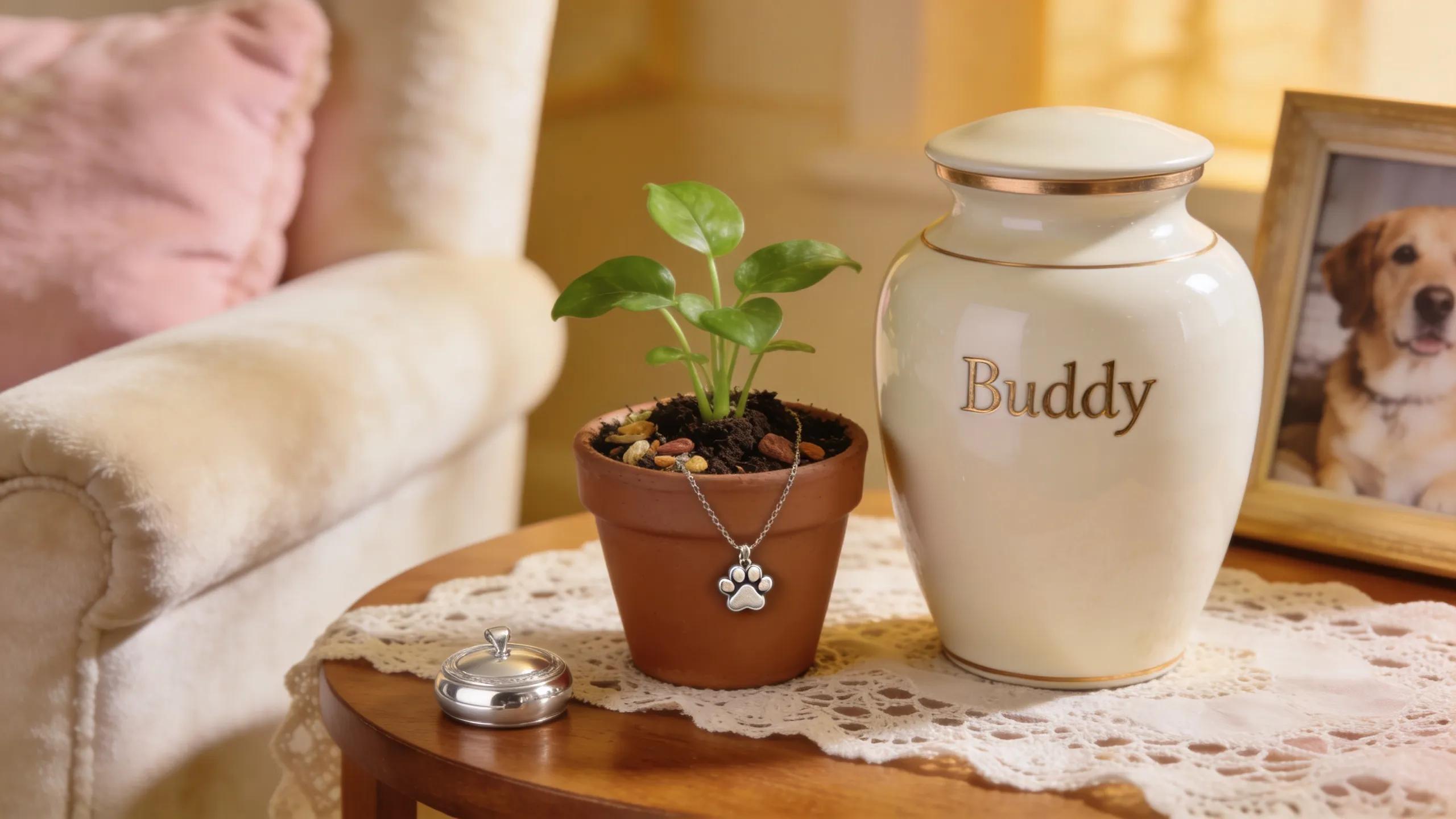
Following aquamation or cremation, owners may choose from several memorial options, including personalized urns, keepsake jewellery, and planting memorials that use returned organic material to support new growth.
- Personalized Urns: Many facilities offer decorative urns that can be personalized with your pet’s name and other memorable details.
- Keepsake Jewelry: Some pet owners choose to memorialize their pets through jewelry that incorporates ashes or keepsake materials.
- Planting Options: Consider using the remains in a way that supports nature, such as growing a tree or plant with the organic material returned from aquamation. For services that focus on creating new life from memorial remains, creating new life can be a unique option.
These memorial choices provide families with a range of options to create a dignified, lasting tribute and to support the healing process.
How Can Pet Owners Arrange Aquamation or Cremation Services Online Securely?
Arrangements for aquamation or cremation can be completed securely online by following best practices:
- Secure Websites: Always use reputable websites that prioritize security features, such as encryption, to protect personal information.
- Transparent Communications: Look for providers that clearly communicate their processes, pricing, and terms in their online documentation.
- Direct Contact Options: Ensure that there is an option to speak with a representative via chat, phone, or email for any inquiries before making a decision.
Adhering to these precautions will help owners arrange services with confidence and protect sensitive information during the process.
What Should Pet Owners Consider When Choosing Between Cremation and Aquamation?
When choosing between cremation and aquamation, owners should evaluate the following factors:
- Environmental Impact: Assess how each method aligns with your values regarding sustainability and environmental stewardship.
- Memorialization Options: Explore the various memorial options to ensure they meet personal and emotional needs.
- Costs: Evaluate the financial implications of each service to determine which fits within your budget.
Evaluating these aspects ensures the chosen option respects the pet’s memory while aligning with the owner’s values and preferences.
Frequently Asked Questions
What types of memorialization options are available after a pet’s aquamation?
After aquamation, owners commonly select personalised urns that may be engraved with the pet’s name and dates, keepsake jewellery incorporating a small portion of the remains or mementos, or a planting memorial that uses the organic material to support new growth. Reviewing available options helps owners select a fitting tribute and supports the bereavement process.
How long does the aquamation process take compared to traditional cremation?
Aquamation typically requires six to twelve hours to complete, depending on the pet’s size and the facility’s procedures. Traditional cremation is generally shorter and may take only a few hours. Although aquamation can take longer, many owners choose it for its environmental advantages and its more controlled, compassionate process.
Can pet owners be present during the aquamation or cremation process?
Most facilities do not permit owners to be present during aquamation or cremation for safety and procedural reasons. Some providers, however, offer pre-procedure private ceremonies or other accommodations. Owners should discuss preferences with their chosen facility in advance to determine available options.
What should pet owners ask when choosing a service provider for aquamation or cremation?
When selecting a provider, inquire about licensing, processing methods, and pricing transparency. Ask about handling procedures, memorial options and the facility’s approach to aftercare and emotional support. Collecting this information enables informed and confident decision-making.
Are aquamation services available nationwide, or are they limited to specific regions?
Aquamation services are increasingly available across the United States, though availability varies by region. In some areas, traditional cremation remains more common. Owners should research local providers or use online resources to identify facilities offering this environmentally preferable option nearby.
What are the emotional benefits of choosing aquamation over cremation?
Many owners report emotional relief when choosing aquamation because of its perceived compassion and lower environmental impact. The option to return organic material that can be used in a planting memorial often provides a meaningful and enduring connection to the pet.
How can pet owners prepare for discussing their pet’s end-of-life decisions?
Preparing for these discussions involves setting aside time for reflection on preferences and needs, researching options such as aquamation and cremation to understand their procedures, and holding candid conversations with family members. This preparation helps ensure decisions reflect the pet’s dignity and the family’s values.
Conclusion
Understanding the distinctions between pet cremation and aquamation enables owners to make decisions that honour their companions while aligning with personal values. Aquamation presents a compassionate, environmentally conscientious alternative for those who prioritise sustainability. By reviewing available services and memorial options, you can select a path that creates a meaningful tribute to your pet. Visit the available resources to learn more and to identify the service that best suits your needs.
