


Blogs

Pet Euthanasia Options for Comfort at Home in New York

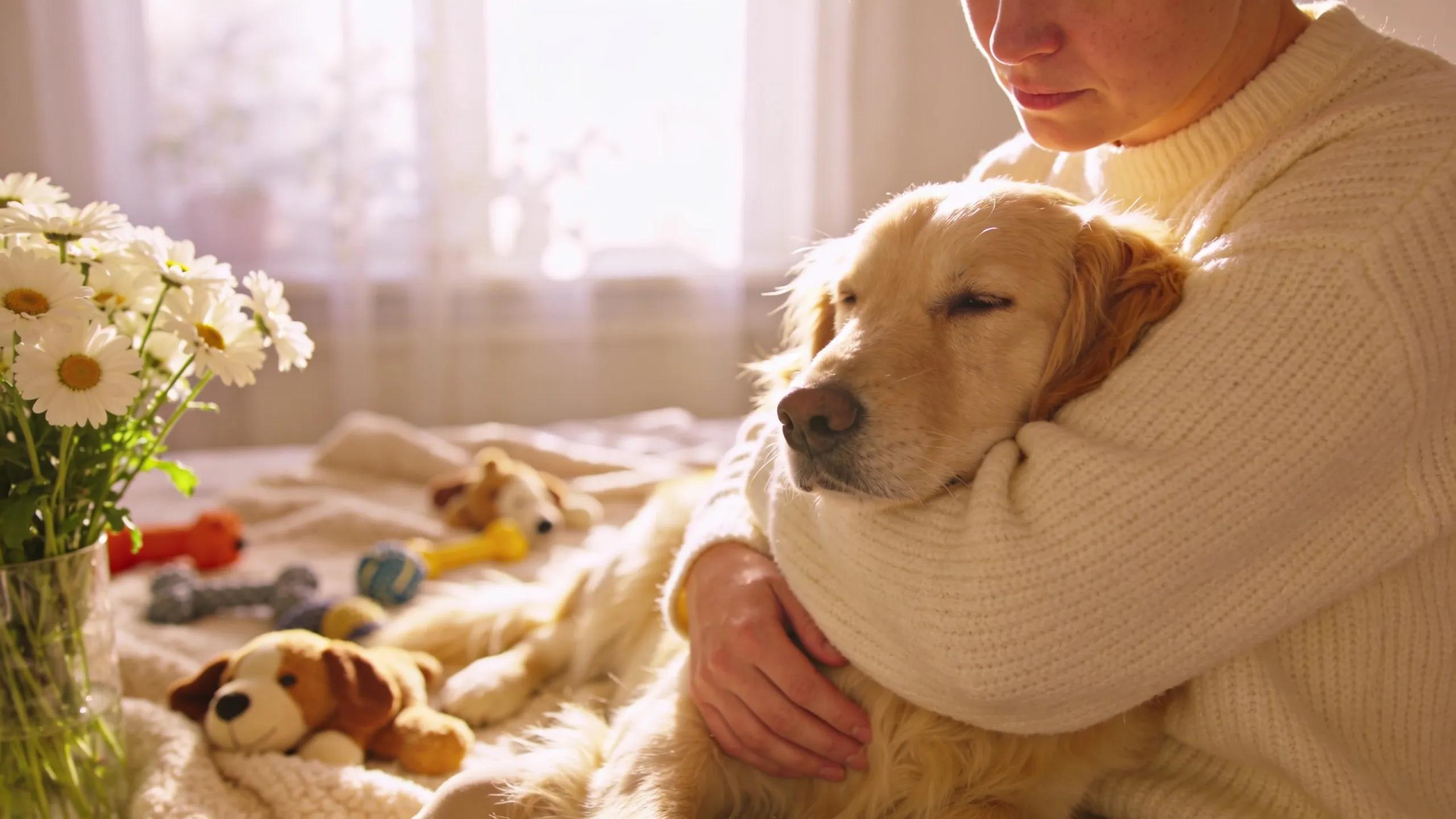
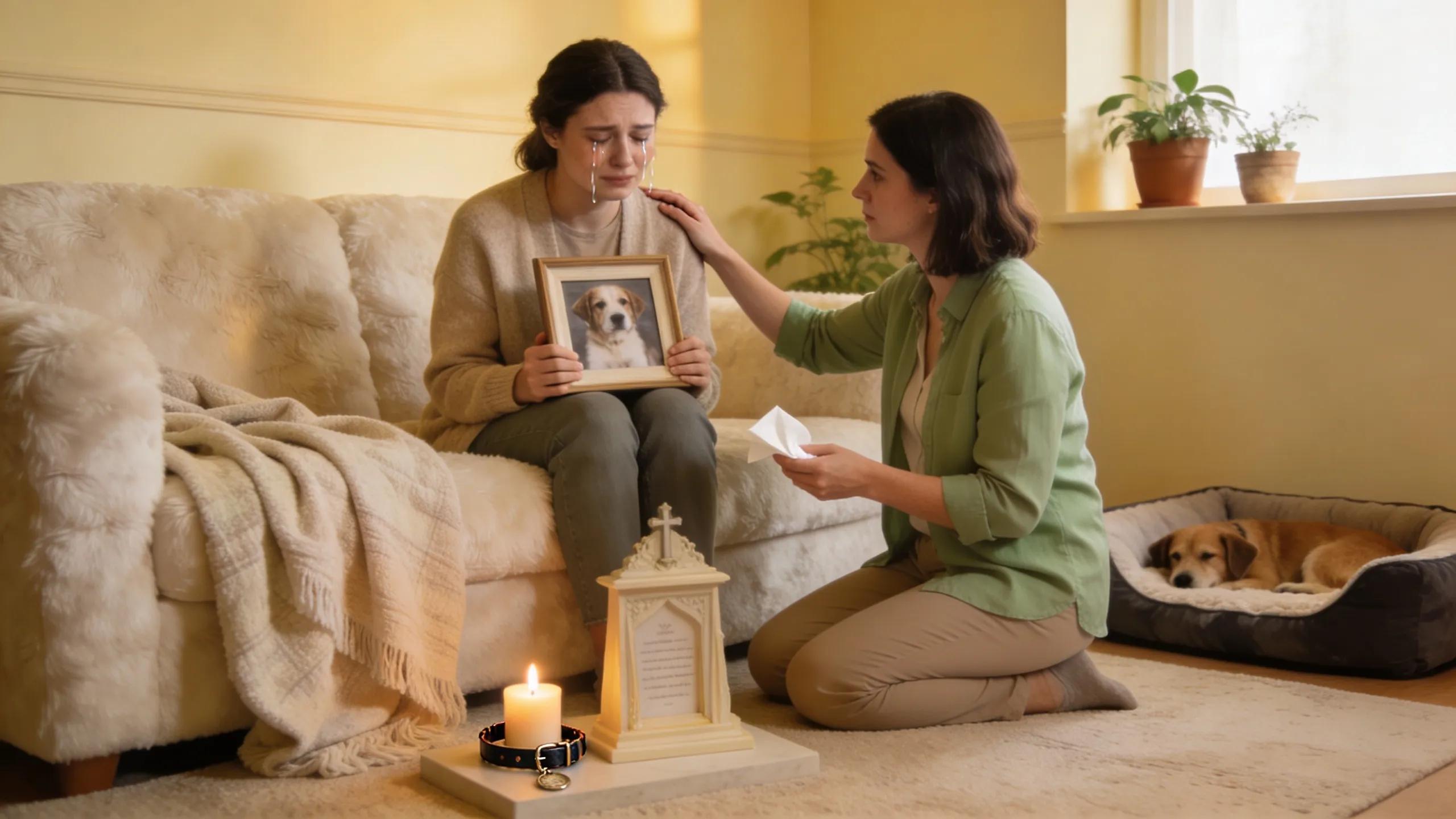
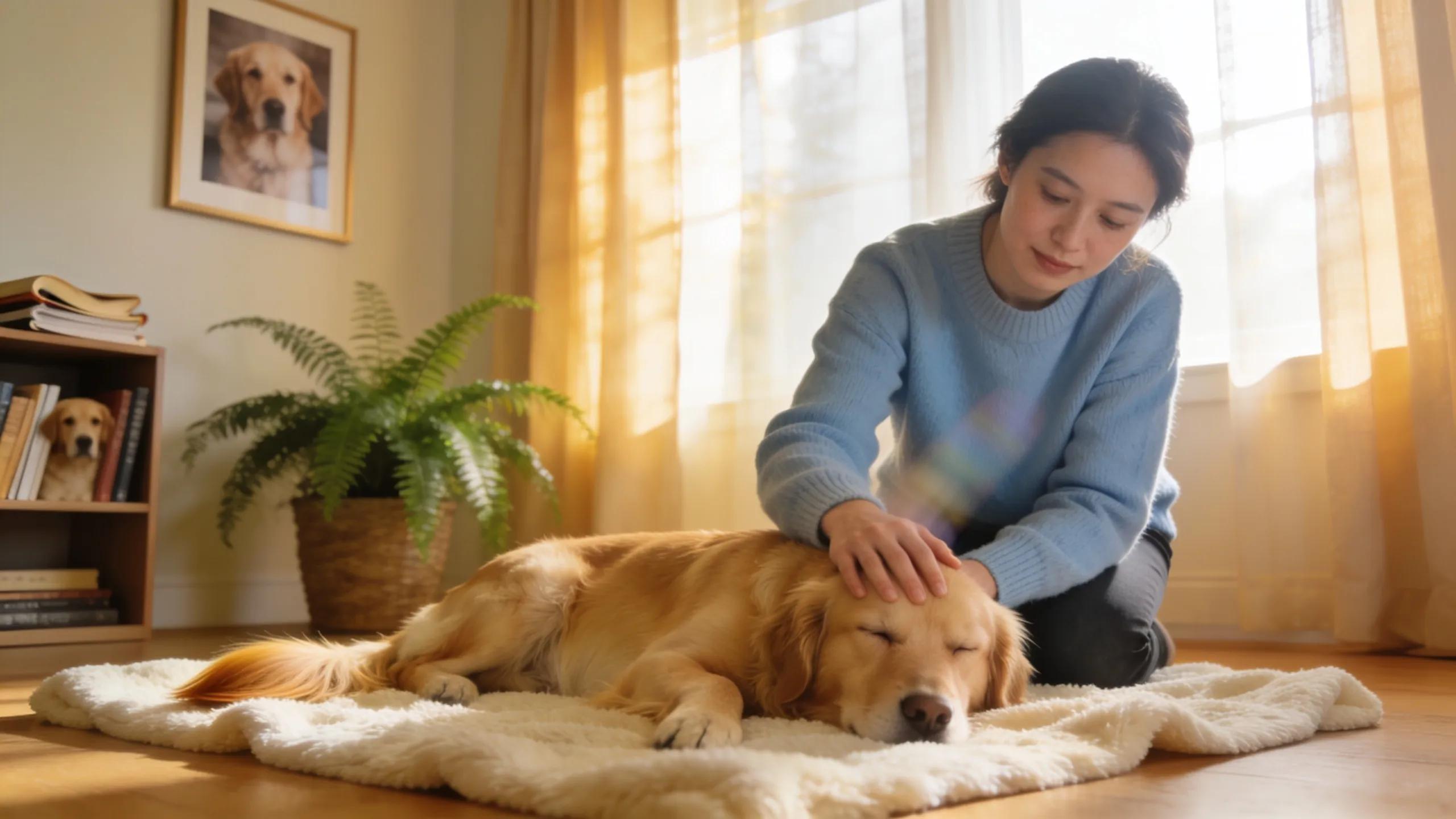
Comforting scenario of a pet dog being lovingly cared for at home during in-home euthanasia

Deciding to euthanize a cherished pet is a profoundly emotional and often distressing choice for owners. Reviewing the in‑home euthanasia options available in New York can reduce uncertainty. This article describes the services offered, the humane steps of the in‑home procedure, benefits for pets and owners, and environmentally responsible aftercare such as aquamation. Each section provides clear, practical information to help owners understand what to expect and to address both emotional and logistical concerns.

What Are the Available In-Home Pet Euthanasia Services in New York?

Several licensed providers in New York offer in‑home pet euthanasia, with a focus on comfort for the animal and support for the family. Compassionate Care Pet Aquamation is one such provider that delivers these services at home, allowing pets to remain in familiar surroundings to reduce stress. More information is available at Compassionate Care Pet Aquamation.

Scheduling an appointment is generally straightforward: pet owners contact a provider to discuss the pet’s condition and service options, review expected costs, and arrange a home visit by a licensed veterinarian to confirm details and next steps.

How Does Humane In-Home Pet Euthanasia Work in NYC?

Humane in‑home euthanasia provides a calm, controlled option for end‑of‑life care. The attending veterinarian first assesses the pet’s quality of life, considering medical history and current condition. If euthanasia is agreed, a sedative is administered to relax the animal, followed by an injection that allows the pet to pass away peacefully. For procedural details, see euthanasia services.

The procedure is conducted in a quiet, familiar setting where family members can be present. It is structured to honour the human–animal bond and to ensure the pet’s final moments are as comfortable and dignified as possible.

What Are the Benefits of Choosing In-Home Euthanasia for Pets?
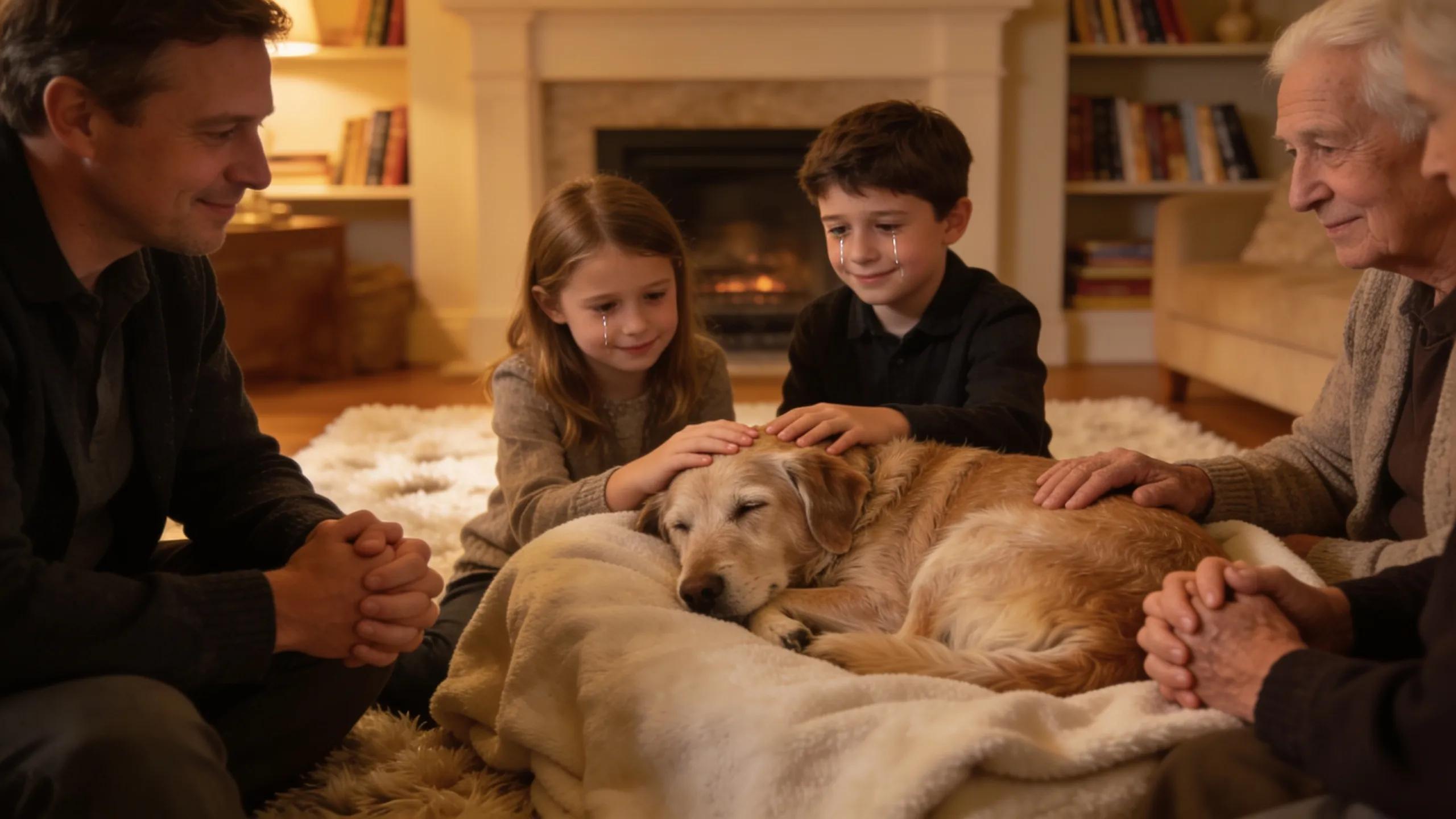
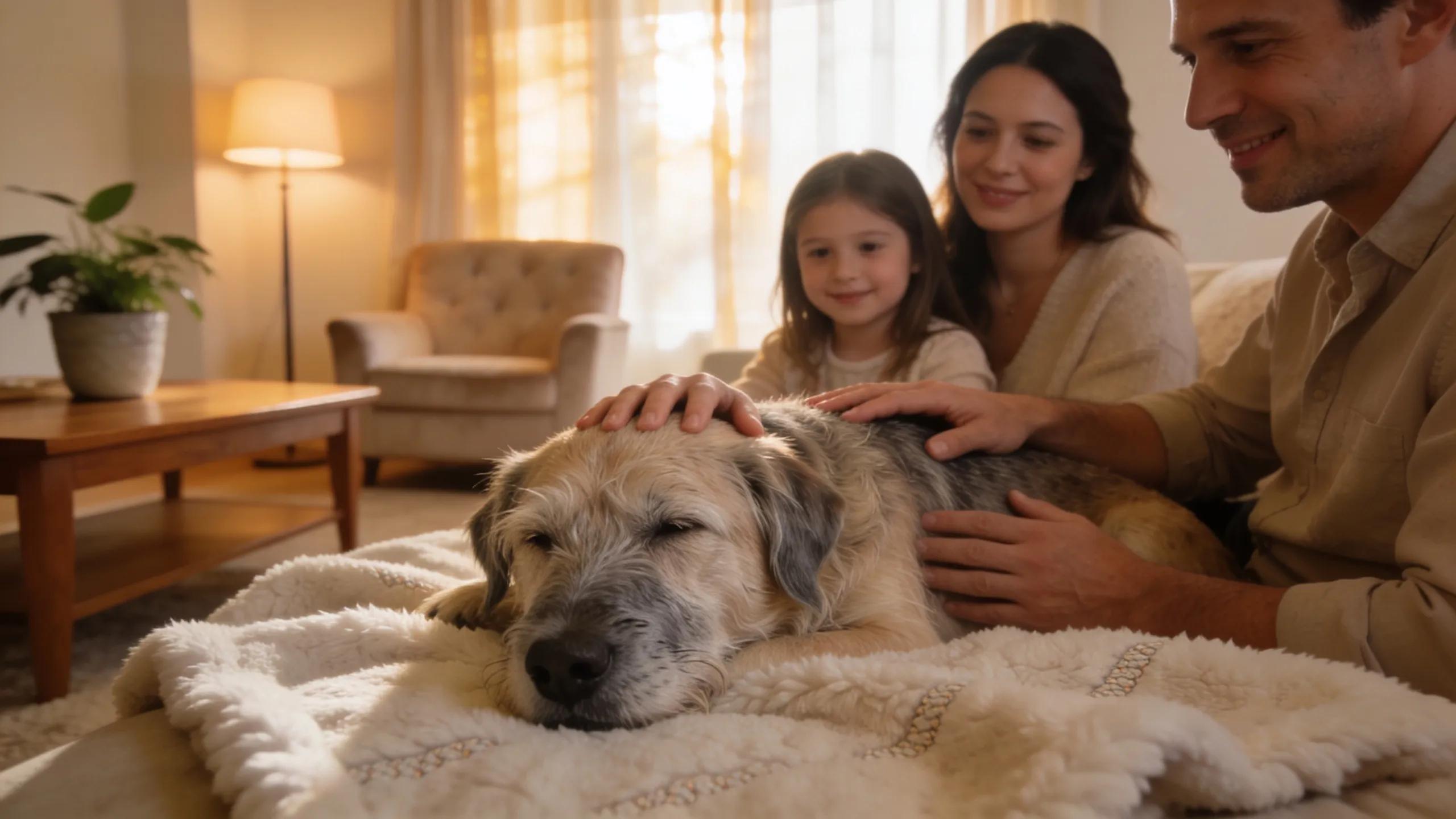
Family providing emotional support to their pet during in-home euthanasia, showcasing the comfort of familiar surroundings

Choosing in‑home euthanasia offers several important benefits:

  1. Comfort for Pets: Pets typically experience less stress in familiar surroundings than in a clinical environment.
  2. Emotional Support for Owners: Being at home enables family members to gather and provide support, which can ease the emotional burden.
  3. Dignity in the Process: In‑home services allow for a respectful, private farewell with loved ones present.

Compassionate Care Pet Aquamation maintains a caring, supportive approach throughout the process, with the aim of reducing stress for owners while delivering necessary end‑of‑life care.

How Does the Pet Aquamation Process Provide Eco-Friendly Aftercare in New York?

Eco-friendly urn in a tranquil garden setting, symbolizing sustainable pet aftercare through aquamation

Aquamation, also called water‑based cremation, is an alternative aftercare method that uses a solution of water and alkali to reduce organic remains to their basic components while avoiding emissions associated with flame‑based cremation. For additional information on this eco‑friendly option, see aquamation.

The process is energy‑efficient and designed to return the final remains to the family in an environmentally responsible form. Families seeking an aftercare option with reduced environmental impact can consider aquamation as a considered choice.

What Is Aquamation and How Does It Differ from Traditional Cremation?

Aquamation, or alkaline hydrolysis, differs from traditional cremation in key procedural and environmental respects:

  1. Process Differences: Traditional cremation uses high temperatures to incinerate remains; aquamation employs a water‑based solution to break down organic matter more gently.
  2. Environmental Impacts: Fire‑based cremation can generate emissions and consumes significant energy; aquamation operates at lower energy levels and does not produce comparable airborne by‑products.
  3. User Considerations: Pet owners who prioritise environmentally conscious options may prefer aquamation as a respectful alternative.

This method provides a sustainable aftercare option for families who wish their farewell to align with eco‑friendly practices.

What Environmental Advantages Does Aquamation Offer for Pet Owners?

Aquamation offers several measurable environmental benefits:

  • No Harmful Emissions: The process produces substantially fewer airborne pollutants than traditional cremation.
  • Energy Savings: Aquamation requires less energy than incineration, reducing overall carbon output associated with aftercare.
  • Nutrient-Rich Byproduct: Residues from the process can be repurposed as nutrient‑rich material suitable for use in soil applications.

These attributes make aquamation an appropriate option for pet owners who seek to minimise the environmental footprint of aftercare.

What Pet Memorialization Options Are Available After At-Home Euthanasia in New York?

After euthanasia, memorialising a pet can assist with emotional recovery. Several memorialisation options are commonly available for owners:

  1. Customized Urns: Families may select urns personalised to reflect their pet’s character.
  2. Memorial Keepsakes: Keepsakes such as paw prints, hair lockets, or commissioned artwork can serve as lasting tributes.
  3. Memorial Services: Some providers organise memorial services or celebrations of life to honour the pet.

These choices enable families to create meaningful tributes that support the grieving and healing process.

How Can Memorialization Support Emotional Healing for Pet Owners?

Memorialisation can play a significant role in emotional recovery after a pet’s death. Formal acts of remembrance help provide closure and acknowledge the importance of the pet in the family’s life.

Personalised memorials and shared remembrance activities can shift focus from immediate grief toward celebrating the pet’s life, and they often foster mutual support among family members during the bereavement period.

How Can You Arrange Pet Euthanasia and Cremation Services Online in New York?

Arranging euthanasia and aftercare services online has become more accessible. Many providers offer digital platforms that simplify scheduling, payments, and follow‑up care.

  1. Convenient Scheduling: Pet owners can choose appointment times that suit their household and arrange services in advance.
  2. Payment and Paperwork Process: Online systems often allow secure payment and completion of required documentation ahead of the appointment, reducing stress on the day of service.
  3. Follow-Up Services: Aftercare support, including grief resources and memorial options, is frequently available through provider platforms.

Using online systems can streamline the arrangement process and enable owners to make considered decisions in a supportive context.

What Steps Are Involved in Making Online Pet Euthanasia Arrangements?

Typical steps for arranging online euthanasia services include:

  1. Research Providers: Identify reputable providers that offer online scheduling and review customer feedback and service descriptions.
  2. Initial Consultation: Participate in an online consultation to discuss the pet’s condition and available aftercare options.
  3. Confirm Arrangements: Finalise the appointment by confirming date, time, and payment details through the provider’s platform.

This process reduces logistical challenges associated with in‑person scheduling and helps ensure clarity prior to the appointment.

Are There Secure and Transparent Online Platforms for Pet Memorial Planning?

Yes. Several online platforms are designed to provide secure, transparent memorial planning and aftercare coordination. Typical features include:

  • User Experiences: Customer reviews and testimonials that provide insight into reliability and service quality.
  • Security Features: Encryption and secure payment processing to protect personal information and transactions.
  • Ease of Use: Intuitive interfaces that allow straightforward navigation and completion of arrangements.

By prioritising security and clear user interfaces, these platforms enable pet owners to plan memorials and aftercare with greater confidence.

What Are the Typical Costs of In-Home Pet Euthanasia and Aquamation Services in New York?

Costs for in‑home euthanasia and aquamation vary by provider and specific service options. Many providers offer competitive pricing structures; for detailed cost information see pet cremation in NYC.

  1. In-Home Euthanasia: The cost for at-home euthanasia is generally around $300 but can vary depending on location and the specific services included.
  2. Aquamation Services: Pricing for aquamation generally ranges from $200 to $400, depending on the pet’s size and any additional memorialization options chosen.
  3. Other Considerations: Factors such as travel distance or specific personalized services may also influence the final costs.

Reviewing expected costs in advance allows families to plan financially and make informed choices under difficult circumstances.

What Emotional Support and Legal Considerations Should Pet Owners Know After Euthanasia in New York?

Emotional support is essential following euthanasia. Owners commonly experience significant grief and may benefit from available support services and information regarding legal options for remains.

  • Grieving Support Services: Local support groups and online resources can offer peer support and guidance.
  • Legal Rights Regarding Pet Remains: Owners have options such as burial, cremation, or aquamation; understanding local regulations and provider policies helps with decision‑making.
  • Available Counseling Options: Professional counselling specialising in pet loss is available to provide structured support.

Access to emotional support resources and clear legal information can assist owners in managing grief and making well‑informed decisions about aftercare.

Frequently Asked Questions

What Should I Expect During the Euthanasia Process for My Pet?

During the euthanasia process, the veterinarian will assess your pet’s health and quality of life and then explain the procedure in clear terms. The process commonly begins with a sedative to calm the animal in its familiar environment, followed by a final injection that allows the pet to pass away peacefully. The procedure is designed to be as calm and respectful as possible for both the pet and the owner.

How Can I Prepare My Family for an At-Home Euthanasia?

Preparing family members involves clear communication about the procedure and allowing each person to express their feelings. Encourage sharing of positive memories and assemble a comfortable space with meaningful items. Discuss the practical aspects and the dignity the option affords the pet, and ensure family members understand they may be present for the farewell if they choose.

Are There Special Considerations for Euthanizing Older Pets?

For older pets, careful assessment of quality of life is essential. Consultations with a veterinarian should address pain management, mobility, and overall comfort. Older animals may present complex medical issues, and a compassionate, evidence‑based discussion can help owners balance the pet’s welfare with emotional considerations to reach an informed decision.

Can I Be Present During My Pet’s Euthanasia?

Yes. One principal benefit of in‑home euthanasia is that owners can be present during the procedure to comfort the pet and say their farewells in a familiar environment. Presence during this time often provides emotional closure for the family and is encouraged when it is feasible and appropriate.

What Resources Are Available for Grieving Pet Owners in New York?

Grieving pet owners in New York can access local support groups offered by veterinary clinics and shelters, participate in online communities, or seek professional counselling that specialises in pet loss. Books and practical guides on bereavement can also provide structured support and coping strategies.

What Are the Options for Aftercare for My Pet?

Aftercare options include traditional cremation, aquamation (alkaline hydrolysis), and burial. Aquamation is an environmentally considerate method that reduces remains without producing the emissions of flame‑based cremation. Providers also commonly offer memorial items such as personalised urns or keepsakes like paw prints.

How Can I Support a Friend or Family Member Facing Pet Euthanasia?

Provide empathetic, practical support: listen without judgment, assist with logistics or memorial arrangements, and offer everyday help such as meals. Encourage them to express grief and, when appropriate, suggest professional counselling. A consistent, compassionate presence helps reduce isolation during this difficult time.

Conclusion

Choosing in‑home euthanasia enables a compassionate, private farewell in familiar surroundings, which can benefit both pets and owners during a challenging period. Eco‑friendly aftercare options such as aquamation allow families to honour their companion while considering environmental impact. Understanding available services and support resources helps owners plan a dignified and meaningful tribute. Learn more about available support and service options to determine the best course for your family.
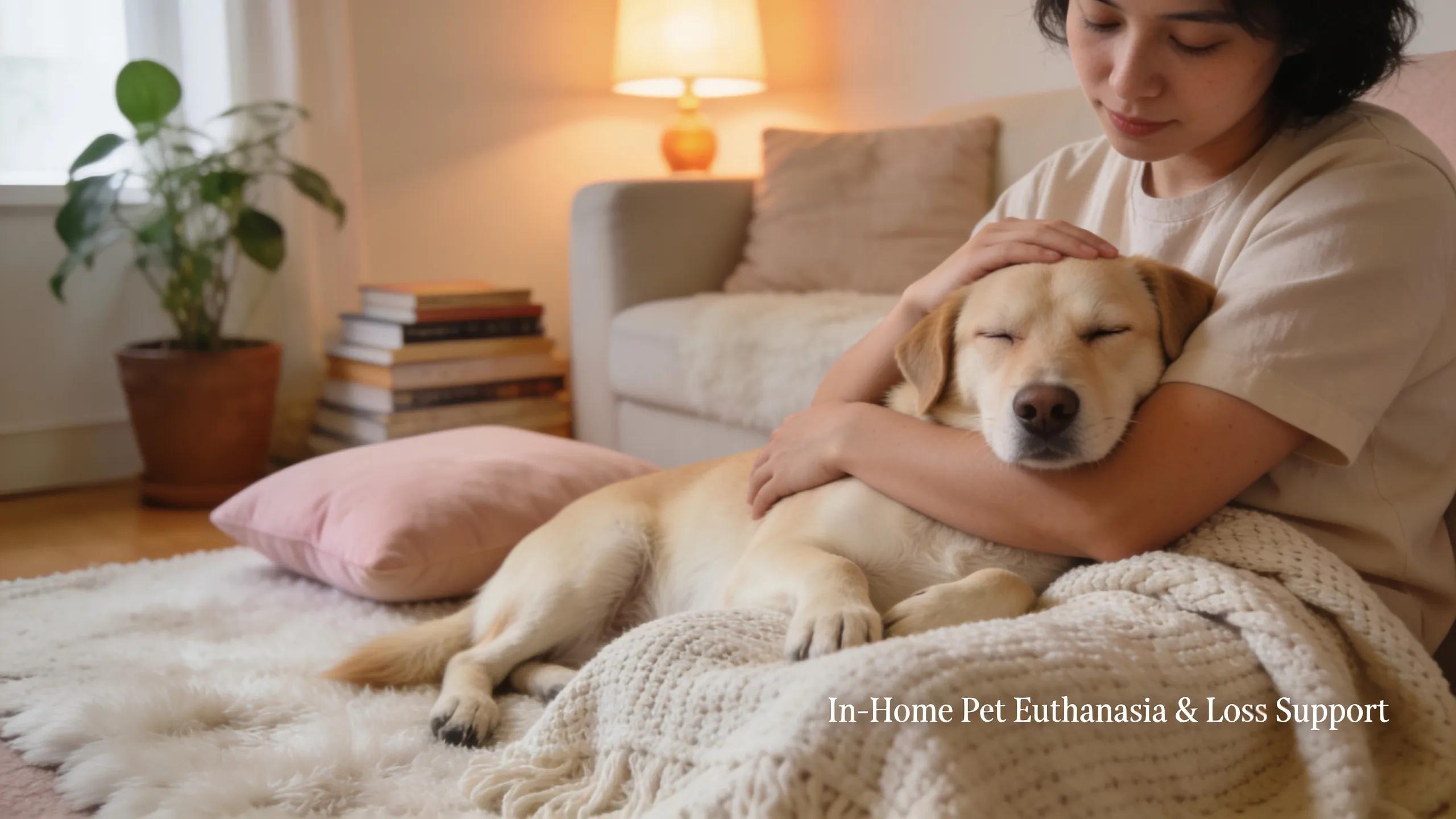

Pet Loss Support Services for In-Home Euthanasia in New York: Compassionate Care with Eco-Friendly Aquamation and Memorial Solutions

Emotional pet owner holding their dog in a comforting home environment

The loss of a companion animal is a profound and distressing experience. Many families seek services that prioritise the pet’s comfort, offer clear information, and provide respectful memorial options. In-home euthanasia and eco-friendly aquamation are established choices that aim to reduce stress for animals and provide dignified outcomes for owners. This guide outlines how these services operate in New York and highlights humane practice and sustainable memorial options.

This article examines in-home euthanasia procedures, the environmental rationale for aquamation compared with conventional cremation, and the range of memorial solutions available. It also explains the steps involved in humane euthanasia, the documented ecological advantages of aquamation, and practical ways to personalise memorial services.

Compassionate Care Options

When confronting the impending loss of a pet, it is essential to understand available compassionate care services so decisions can be made with clarity and confidence. Compassionate care typically includes in-home euthanasia, which allows pets to pass in a familiar environment and enables families to be present for final moments.

In-Home Euthanasia

In-home euthanasia entails a licensed veterinarian attending the residence to administer the procedure in a manner that prioritises the animal’s comfort and dignity. This approach reduces the stress associated with clinic visits and permits a private, controlled setting for farewells. Families frequently report that the option offers emotional support and a more peaceful transition for their companion.

Eco-Friendly Aquamation Practices

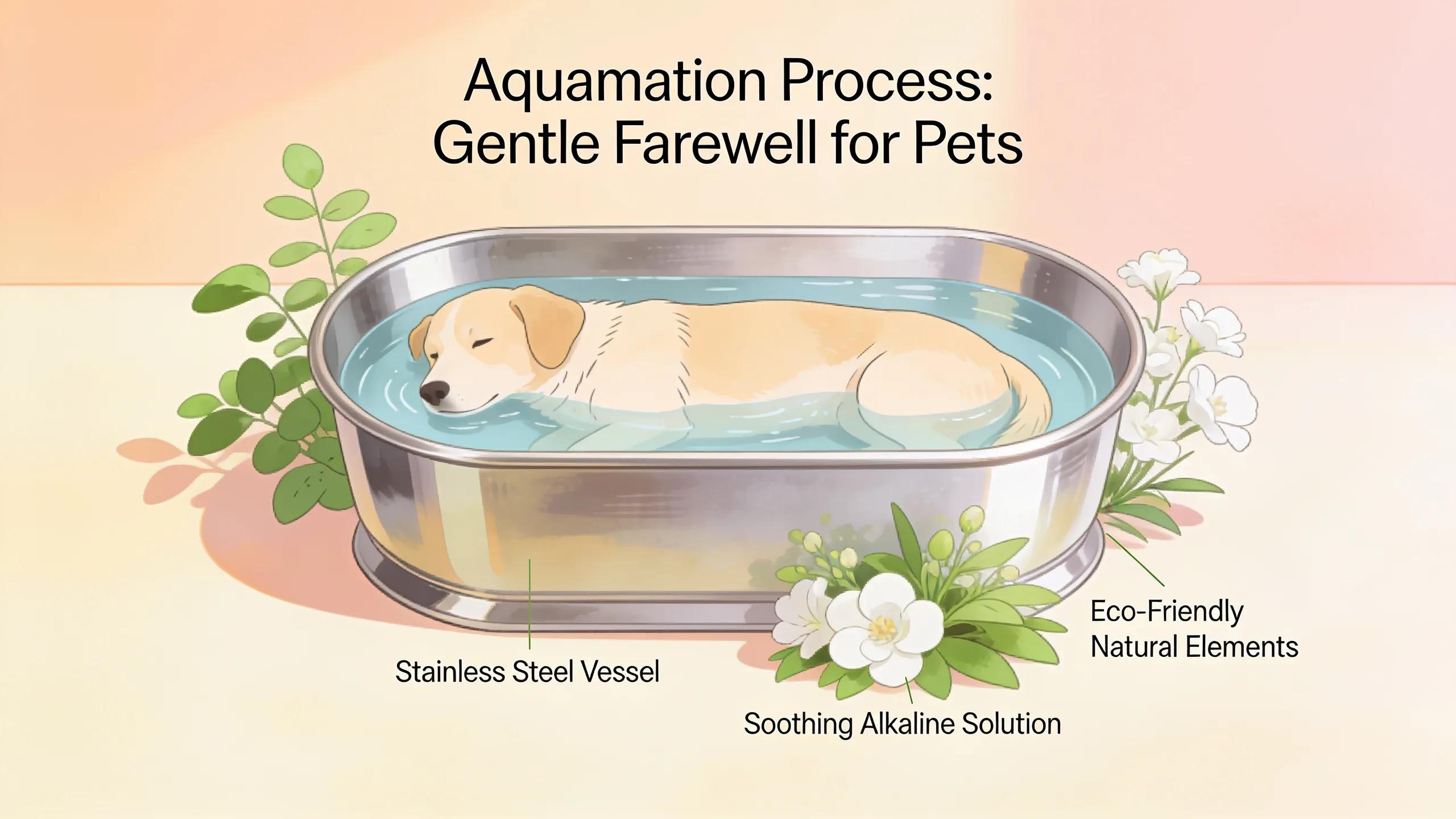
Serene aquamation process with water and nature-themed elements

Aquamation, sometimes described as water cremation, is an alternative to flame-based cremation that uses water and an alkaline solution to process remains. It is presented as a more environmentally conscious option and is offered by providers that can document the procedure for families seeking sustainable choices.

Aquamation

Aquamation is a controlled, water-based process that reduces the environmental impact associated with conventional cremation. The process uses substantially less energy—original reports indicate figures near a 90% reduction compared with traditional methods—and returns the physical remains to the family. The resulting material includes a liquid byproduct that, where permitted, can be managed in an environmentally responsible manner or the solids returned to the family as ashes.

Alkaline Hydrolysis: An Eco-Friendly Cremation Alternative

Alkaline hydrolysis uses water, a gentle chemical solution, and heat to decompose remains as an alternative to fire. Peer-reviewed and industry reports indicate a substantially lower carbon footprint—reported at approximately 75% less than standard cremation—and the process reduces the risk of soil and groundwater contamination associated with some burial practices.Watery Grave: One of the Death Care Industry’s Greenest Options Is Still Illegal in Thirty-One States and That Needs to Change, 2021

Environmental Benefits

Aquamation provides environmental benefits relative to traditional cremation, chiefly the reduction of airborne emissions. The process avoids the combustion-related pollutants associated with flame-based methods and can produce byproducts that support responsible disposition or soil enrichment where regulations allow. These attributes have led a number of owners to select aquamation for its lower carbon footprint and reduced ecological impact.

Memorial Solutions

Beautiful biodegradable urns and keepsakes in a tranquil garden environment

Memorial services offer structured ways to honour a pet and support bereavement. Providers deliver a range of options so families can choose tributes that align with personal values and the pet’s unique life.

Urns and Keepsakes

Families may select from traditional urns crafted from materials such as ceramic or wood, or choose biodegradable urns designed to support plant growth. Keepsakes, including jewellery that can incorporate a small portion of remains, provide tangible reminders and help preserve emotional connections.

Creating New Life

Certain memorial options use aquamation byproducts to support new growth, allowing families to create a living tribute such as a tree or garden. This approach is chosen by owners who prefer an ecological memorial that symbolises renewal. For details, consult our Creating New Life memorial options page linked below.

What Is the Process of Humane In-Home Pet Euthanasia in New York?

The humane in-home euthanasia workflow is designed to be calm and transparent. A veterinarian will review the procedure with the family, describe each step, and address questions so owners understand the timing and expectations before the appointment.

How Does the In-Home Euthanasia Procedure Prioritize Pet Comfort and Dignity?

The procedure emphasises comfort and respect through a phased approach. The veterinarian typically administers a sedative to relax the animal, followed by the final injection once the pet is deeply asleep. This method is intended to ensure a tranquil transition and to reassure families that the process is conducted with compassion and professionalism.

How Does Pet Aquamation Provide an Eco-Friendly Alternative to Traditional Cremation?

Pet aquamation replaces heat and combustion with a water-based process, which conserves energy and reduces emissions associated with flame-based cremation. By design, the method focuses on ecological preservation and documented reductions in environmental impact.

What Are the Environmental Benefits of Aquamation Compared to Cremation?

Primary environmental advantages of aquamation include lower energy consumption, reduced airborne emissions, and the potential to return byproducts that may enrich soil when handled in accordance with local regulations. Many owners find these outcomes consistent with environmental stewardship.

What Is the Step-by-Step Aquamation Process for Pets in New York?

The step-by-step outline clarifies expectations and supports informed decision-making when selecting aquamation as an alternative to traditional cremation.

  1. Consultation: The family consults with a service provider to outline preferences and gain information regarding the process.
  2. Preparation: The pet is prepared for aquamation, ensuring dignity throughout the experience.
  3. Aquamation Process: The remains undergo the aquamation process, breaking down organically in a gentle manner.
  4. Final Disposition: The family receives the remains in the form of ashes, often accompanied by a certificate of aquamation.

Which Memorialization Options Are Available After Pet Aquamation in New York?

After aquamation, families can select from multiple memorialisation options to create tributes that reflect the pet’s personality and the family’s priorities.

What Types of Biodegradable Urns and Keepsakes Can Commemorate a Beloved Pet?

Biodegradable urns are available in designs that include seed-embedded options for planting, as well as vessels intended to biodegrade naturally. Complementary keepsakes include engraved stones and jewellery, all intended to serve as enduring tributes.

How Can Families Personalize Pet Memorial Services with Meaningful Keepsakes?

Personalisation typically includes engraved inscriptions, photographs, and bespoke design elements. These additions create a specific, recognisable remembrance that supports grieving and preserves the pet’s legacy.

How Can Pet Owners Arrange In-Home Euthanasia and Aquamation Services Online in New York?

Pet owners may arrange in-home euthanasia and aquamation through provider websites and authorised online platforms that list services, scheduling options, and pricing. Digital platforms also often provide documentation and contact channels for verification.

What Is the Step-by-Step Guide to Scheduling Compassionate Pet Euthanasia at Home?

  1. Research Local Services: Determine available providers in your area that offer in-home euthanasia.
  2. Contact the Provider: Reach out via their website or phone to discuss services and make arrangements.
  3. Schedule an Appointment: Set a date and time that suits your family’s needs, allowing for any additional questions or considerations.

Following these steps enables families to secure a structured, private arrangement for a dignified farewell at home.

What Are the Pricing Structures and Available Service Packages for Aquamation and Memorials?

Pricing for aquamation and memorial services varies by provider. Typical aquamation fees range from $75 to $400 depending on pet size and selected services. Families should review provider packages and any included documentation to compare value and confirm what is covered.

What Grief Support Resources Are Available for Pet Loss in New York?

The loss of a pet can prompt intense grief. Service providers and community organisations commonly offer resources aimed at emotional support to assist families during bereavement.

How Do Pet Loss Support Services Address Emotional Needs After In-Home Euthanasia?

Pet loss support services commonly include licensed counselling, support groups, and structured grief programmes. These resources create a professional, empathetic environment where individuals can discuss their experiences and access coping strategies.

Where Can Families Find Additional Grief Counseling and Community Support in New York?

Local animal hospitals, pet loss organisations, and vetted online platforms maintain directories and referrals for grief counselling and support groups. These resources facilitate access to both in-person and virtual services to meet families’ needs.

Why Trust Compassionate Pet Euthanasia and Aquamation Services in New York?

Selecting a provider for sensitive end-of-life care requires clear evidence of qualifications, ethical practice, and operational transparency.

What Do Verified Customer Reviews and Ratings Indicate About Service Quality?

Verified customer reviews and ratings provide direct evidence of service performance, highlighting professionalism, emotional support, and the respectful handling of animals. Such testimonials can help prospective clients assess provider reliability.

How Are Security Protocols and Transparent Business Data Maintained?

Reputable providers publish clear information about their procedures, data handling, and operational credentials. Transparency regarding protocols and business practices helps families verify compliance with ethical and professional standards.

Frequently Asked Questions

What should I consider before choosing in-home euthanasia for my pet?

Before selecting in-home euthanasia, evaluate the pet’s medical condition, the suitability of the home environment, and whether family members wish to be present. Consult a veterinarian to review the procedure and address any medical or logistical concerns so you can make an informed, compassionate decision.

How does aquamation differ from traditional burial?

Aquamation uses water and an alkaline solution to break down remains rather than interment in the ground. Compared with some burial practices, aquamation reduces the risk of soil contamination and avoids combustion emissions. It returns remains as reusable material for authorised disposition, aligning with preferences for environmental stewardship.

What are the emotional benefits of personalized memorial services?

Personalised memorials enable families to recognise a pet’s individuality and create focal points for remembrance. Incorporating photographs, inscriptions, or custom keepsakes supports grieving by preserving memory and giving families structured ways to honour their companion.

Can pet owners participate in the aquamation process?

Owners typically do not operate the technical aquamation process but may participate by selecting services, arranging memorial options, and, in some cases, witnessing aspects of the procedure or attending consultations. Providers vary in the level of owner involvement they permit.

What kind of grief support is available for children who lose a pet?

Grief support for children often includes age-appropriate counselling, educational materials, and group programmes designed to help young people express emotions and learn coping strategies. Many providers and organisations offer such resources tailored specifically to children.

How can I find a trusted provider for in-home euthanasia and aquamation?

Identify trusted providers by reviewing verified testimonials, checking for professional affiliations, and seeking recommendations from local veterinarians. Prioritise providers with transparent practices, documented policies, and demonstrated compassion and professionalism.

Conclusion

In New York, in-home euthanasia combined with eco-conscious aquamation and thoughtful memorial options offers families dignified, verifiable choices for pet end-of-life care. These services emphasise the pet’s comfort, transparent procedures, and memorial solutions that align with environmental values. Consult qualified providers to determine the specific options and documentation they offer so you can arrange a respectful tribute in keeping with your family’s needs.

Recognizing the Signs Pet Euthanasia Is Needed: A Decision Guide for Your Beloved Companion

Pet owner comforting their beloved dog in a serene setting, depicting emotional bond and compassion

Deciding whether to pursue euthanasia for a cherished pet is an emotionally difficult and significant choice. This guide delivers clear, evidence-informed guidance to help owners recognise when euthanasia may be the most humane option. We review observable signs—changes in mobility, behaviour and overall quality of life—explain how these relate to medical conditions, and outline the emotional considerations and eco-conscious aftercare options such as aquamation.

What Are the Key Signs Indicating When to Consider Pet Euthanasia?

Choosing euthanasia requires identifying objective signs of reduced quality of life, including marked behavioural change, persistent or uncontrolled pain, and a clear loss of interest or joy in normal activities.

  1. Mobility Issues: If your pet has difficulty moving, experiences weakness, or demonstrates signs of pain during mobility, it may indicate significant discomfort or suffering.
  2. Decreased Appetite: A substantial drop in appetite or inability to enjoy food can be a strong indication of a deteriorating health condition.
  3. Behavioral Changes: Notable shifts in behavior like withdrawal from interaction, excessive vocalization, or signs of distress such as panting or pacing can signal that your pet is in pain or discomfort.

These signs warrant prompt veterinary evaluation to identify underlying causes and to determine whether palliative care or euthanasia is the most appropriate course.

How Do Changes in Mobility and Behavior Signal Pet End of Life?

Careful observation of mobility and behaviour provides measurable indicators of decline; reduced activity often coincides with other signs of physical distress.

Conditions such as severe arthritis or progressive systemic disease can substantially impair mobility and increase pain. Behavioural changes—withdrawal, hiding or excessive sleeping—may reflect pain or the inability to engage in previously enjoyed activities. Identifying these patterns helps assess whether quality of life has diminished meaningfully.

Which Medical Conditions and Pain Indicators Suggest Euthanasia May Be Appropriate?

Certain medical conditions are commonly associated with the need to consider euthanasia. Advanced illnesses such as late-stage cancer, renal failure and degenerative neurological diseases can lead to prolonged, cumulative suffering.

Clinical indicators—uncontrolled chronic pain despite medication, recurrent vomiting, respiratory distress or profound lethargy—require serious consideration. When symptoms do not respond to treatment, owners may consider humane options as a compassionate response.

Clinical literature and veterinary guidance can support owners in understanding the range of conditions that may necessitate this difficult decision.

Canine Chronic Kidney Disease: Palliative Care and Euthanasia Decision Tool

A Comprehensive Decision-Making Framework for Canine Chronic Kidney Disease: Guiding Palliative Care and Euthanasia ConsiderationsA Holistic Decision-Making Tool for Canine Chronic Kidney Disease: Navigating Palliative Care and Euthanasia, 2026

How Can Pet Owners Assess Quality of Life to Decide If Euthanasia Is Right?

To determine whether euthanasia is the most humane option, owners should conduct a structured assessment of quality of life that includes physical condition, pain control, appetite and the pet’s interactions with family members.

Key criteria—mobility, enjoyment of food and mental awareness—offer measurable indicators. Tracking changes across these domains provides objective information to inform decisions.

Applying a formal, systematic approach can help owners make a clearer, evidence-based decision during this difficult time.

Euthanasia Decision-Making Framework and Quality of Life Scoring for Geriatric Animals

The decision to perform euthanasia in geriatric zoo mammals is typically a highly intricate process, encompassing ethical, medical, emotional, and occasionally political considerations. However, post-mortem examinations frequently reveal advanced pathological changes in organs and/or the musculoskeletal system. Consequently, we hypothesize that euthanasia is often delayed, compromising the animal’s welfare. The objective of this study was to facilitate and establish an initial, objective decision-making framework for the euthanasia of geriatric zoo mammals. A scoring system to assess the physical condition and quality of life in aging zoo mammals is presented, developed through retrospective and prospective investigation of 70 geriatric zoo mammals across five European zoos.A scoring system to evaluate physical condition and quality of life in geriatric zoo mammals, 2007

What Are the Common Quality of Life Measurement Tools for Pets?

Pet owner assessing the quality of life of their pet using measurement tools in a cozy home environment

Common assessment tools provide structured scales and checklists to evaluate multiple dimensions of a pet’s wellbeing, making observations more consistent and comparable.


Tool Description Usage
The HHHHHMM Scale Measures happiness, hurt, hunger, hydration, mobility, and more Quantitative assessment of quality of life
Quality of Life Assessment Framework Checklist assessing different criteria such as pain and interaction Comprehensive framework for decision-making
Veterinary Pain Scales Uses numeric rating systems to quantify pain impact Provides specific metrics for veterinarians

Using these validated tools supports clear, evidence-based discussions with veterinary professionals about the most appropriate course of action for a specific pet.

How Do Emotional and Ethical Factors Influence the Euthanasia Decision?

The emotional bond between owners and their pets significantly affects decision-making; feelings of guilt, sadness and fear of letting go are common and expected.

Ethical considerations—minimising suffering and preserving the pet’s dignity—should inform the process. A veterinarian can provide clinical context to help balance compassion with responsibility.

Weighing both owner perspectives and professional veterinary advice offers a balanced view of the ethical and emotional dimensions involved.

Decision-Making Factors in Companion Animal Euthanasia: Owner and Veterinarian Perspectives

Factors Influencing Decision-Making in Companion Animal Euthanasia: A Mixed-Methods Study of Pet Owners and VeterinariansFactors Influencing Decision-Making in Companion Animal Euthanasia: A Mixed-Methods Study of Pet Owners and Veterinarians, 2026

What Is the Pet Euthanasia Process and How Does Eco-Friendly Aquamation Support It?

Veterinary euthanasia is typically performed after sedation and involves an intravenous agent that results in a peaceful passing; the procedure is designed to minimise stress and discomfort for the animal.

Aftercare is a distinct part of the process. Aquamation is an eco-conscious alternative to traditional cremation that uses water and an alkaline solution to reduce remains; it is chosen for its lower environmental impact and its gentle handling of the pet.

What Steps Are Involved in the Aquamation Process as an Alternative to Traditional Cremation?

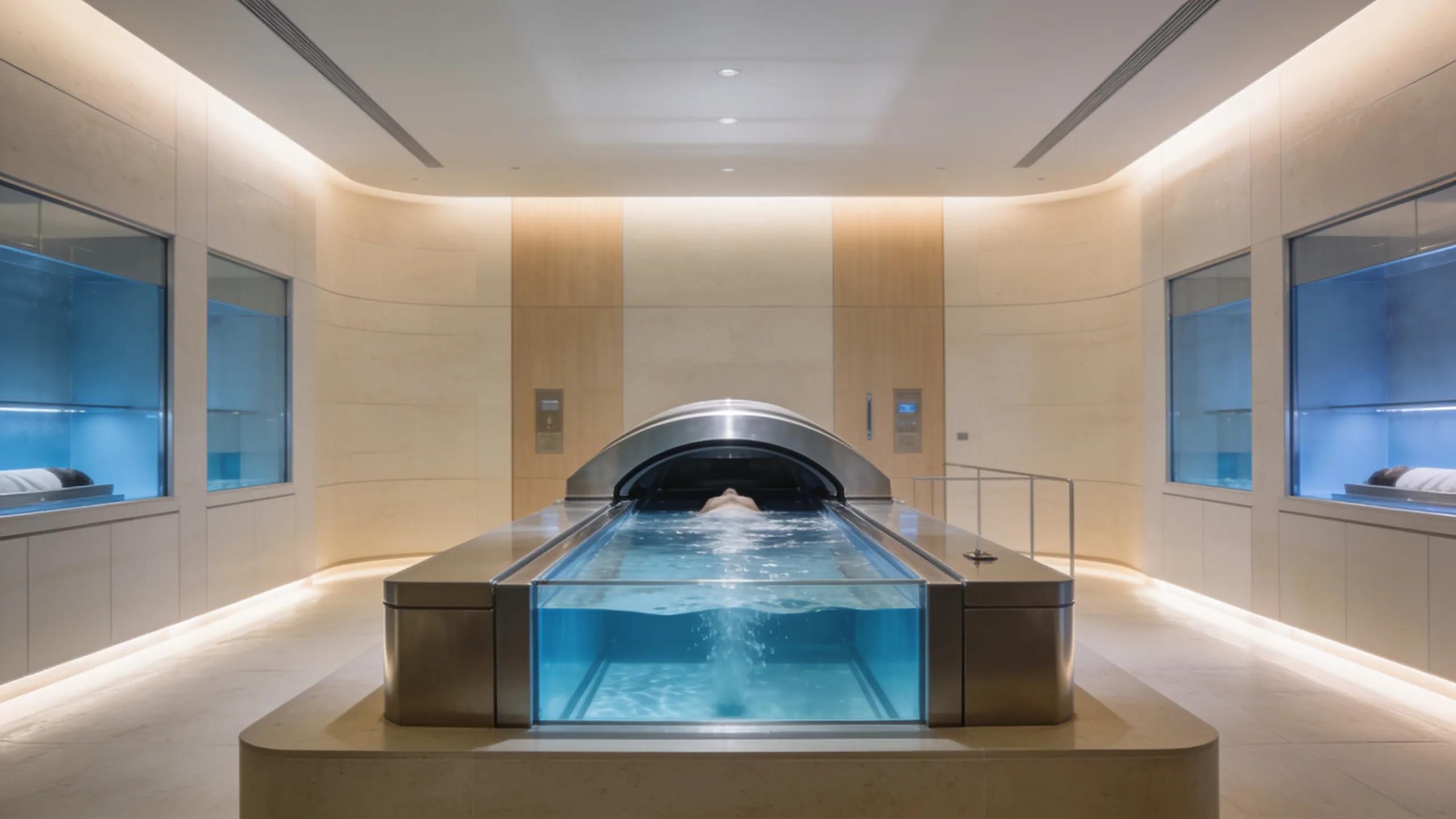
Aquamation chamber in a modern facility showcasing the eco-friendly pet aftercare process

The aquamation process follows defined steps to ensure respect and environmental responsibility:

  1. Preparation: The pet is prepared and placed in the aquamation chamber.
  2. Aquamation Process: The process occurs typically over 6-8 hours, utilizing water and heat to break down the organic material.
  3. Finalization: Once completed, the remaining byproducts are processed and can be returned to the pet owner.

This method reduces carbon emissions compared with traditional cremation and provides a respectful alternative for aftercare.

How Does Aquamation Benefit Pet Owners and the Environment Compared to Conventional Methods?

Aquamation delivers multiple benefits: reduced greenhouse gas emissions relative to cremation, meaningful memorial options, and a process that many owners find more reassuring during bereavement.

This eco-friendly option honours the pet’s memory while contributing to environmental stewardship by creating new life.

What Memorialization Options Are Available After Pet Euthanasia?

After a pet’s passing, a range of memorial options can assist owners in grieving and in honouring the life their companion shared with them.

Personalized tributes—such as a remembrance stone or memory book—or living memorials, like planting a tree, offer tangible ways to remember and pay tribute.

Which Eco-Conscious Memorial Products and Ideas Can Honor Your Pet?

For owners seeking environmentally responsible memorials, options include biodegradable urns, seed packets or living memorial kits, and keepsakes made from recyclable materials.

These alternatives both honour the pet and align with sustainable practices.

How Can Nutrient-Rich Fertilizer From Aquamation Serve as a Living Memorial?

Byproducts from aquamation can be processed into nutrient-rich fertilizer that serves as a living memorial, supporting plant growth and creating a lasting, natural tribute.

Planting flowers or a tree with this material allows owners to cultivate a meaningful, living space that reflects the bond they shared with their pet.

How Can You Arrange Pet Euthanasia and Aftercare Services Online in New York City?

In major urban areas such as New York City, owners can arrange euthanasia and aftercare services online to streamline logistics and reduce stress during a difficult period.

To begin, owners should:

  1. Research local veterinarians who offer in-home euthanasia services.
  2. Assess aftercare options available, including aquamation services such as pet cremation in NYC, to determine what best fits their values.
  3. Book appointments through the respective vet’s website or customer service.

This organised approach helps ensure that logistics for euthanasia and aftercare align with the needs of the pet and the family.

Frequently Asked Questions

What factors should I consider when deciding on pet euthanasia?

Evaluate your pet’s overall quality of life, pain levels and capacity to enjoy daily activities. Consider mobility, appetite and social interaction, and discuss your observations with a veterinarian who can provide a clinical assessment to determine whether continuing treatment meaningfully improves welfare.

How can I prepare emotionally for the decision of euthanasia?

Prepare by acknowledging grief and allowing time to reflect on your pet’s life. Writing down memories, speaking with trusted friends or family, and consulting pet loss support groups or a therapist can help you process emotions and arrive at a considered decision.

Can euthanasia be performed at home, and what does that involve?

Yes. In-home euthanasia is available and allows the pet to pass in a familiar environment surrounded by family. The procedure typically involves a sedative followed by an injection that ensures a peaceful transition; communicate preferences with the veterinarian in advance to arrange a respectful experience.

What should I expect during the euthanasia process?

Typically, a veterinarian sedates the pet to ensure calmness, then administers the euthanasia solution. Most animals pass peacefully in the presence of loved ones. Given the emotional nature of the event, take time to say goodbyes and consider a support plan for afterwards.

Are there any aftercare services available besides cremation?

Yes. Options include aquamation—an eco-friendly method using water and an alkaline solution—biodegradable urns and memorial nature products that combine remains with soil to grow trees or flowers. These alternatives offer meaningful ways to memorialise your pet while supporting environmental responsibility.

How can I support my other pets during this time?

Support other pets by maintaining routines, monitoring behaviour for signs of stress, and providing additional comfort and attention. Involving them in low-key memorial activities and allowing time to adapt can help their emotional adjustment.

Conclusion

Recognising when euthanasia may be appropriate requires careful observation of clinical signs and consultation with veterinary professionals. Staying informed helps prioritise your pet’s comfort and dignity. Consult our resources for assessment tools and aftercare options that align with your values, and visit our website to learn how we can assist in honouring your companion.

In-Home Pet Euthanasia Arrangements in New York: Comprehensive Guide to Compassionate, Eco-Friendly Services

In-home pet euthanasia scene with a family comforting their elderly dog in a warm, intimate living room

In-home pet euthanasia enables owners to choose a compassionate, controlled setting for a pet’s final moments, allowing animals to pass peacefully in familiar surroundings. This guide details arrangements available in New York, with emphasis on compassionate aftercare options such as aquamation, an environmentally considerate alternative to traditional cremation. Many owners experience emotional difficulty when making end‑of‑life decisions; clear information about euthanasia procedures and memorialisation options can help reduce that burden. The following overview outlines services, the practical steps for making arrangements, and key considerations for owners during this difficult time.

Overview

In-home pet euthanasia permits a veterinarian to perform the procedure at the pet’s residence. This approach reduces stress for the animal and provides a quieter environment for family members. Choosing a home setting enables owners to prioritise the pet’s comfort and dignity. Many pets face progressive illnesses that require difficult choices; several in‑home providers now offer eco‑friendly aftercare options such as aquamation, a water‑based process with a lower environmental impact than traditional cremation.

Key Services Offered

In‑home pet euthanasia packages typically combine the euthanasia procedure with aftercare selections, including aquamation. For those considering this option, obtaining a clear understanding of the euthanasia process is essential.

In-Home Euthanasia

Veterinarians travel to the owner’s home to perform euthanasia in a calm setting, which minimises the stress associated with clinical environments and allows the pet to be surrounded by family during its final moments.

Aquamation

Aquamation is an eco‑friendly alternative to fire‑based cremation that employs water and alkaline solutions to break down remains. The process is gentler than traditional cremation and yields nutrient‑rich byproducts suitable for return to the earth, supporting environmental sustainability. Providers such as Compassionate Care Pet Aquamation commonly include aquamation among their service options.

Process of Arranging In-Home Euthanasia

Arranging in‑home euthanasia involves several deliberate steps. Assessing the pet’s quality of life is a primary consideration; veterinarians can provide an objective evaluation to clarify treatment options. Next, contact a veterinarian who offers in‑home services—providers such as Compassionate Care Pet Aquamation can assist with scheduling. Preparing the home and family helps create a peaceful environment for the appointment.

Important Considerations for Pet Owners

Owners should prepare for both emotional and practical aspects of in‑home euthanasia. Emotional support from family members is often necessary. Equally important is understanding aftercare choices, since these decisions affect how owners memorialise their pet and process their grief.

Contact Information

For individuals seeking in‑home euthanasia and aquamation services in New York, Compassionate Care Pet Aquamation can be contacted at the following:

  • Phone: 516-608-2279
  • Address: 3055 New Street, Oceanside, NY 11572

What Are In-Home Pet Euthanasia Services in NYC?

In New York City, in‑home pet euthanasia services are adapted for urban circumstances and provide timely access to veterinary professionals who specialise in end‑of‑life care in the pet’s familiar environment.

How Does the In-Home Pet Euthanasia Process Work?

The process begins with initial contact, during which the provider answers questions and outlines required steps. After consultation, a veterinarian attends the owner’s home, prepares the pet and family, and conducts the procedure with attention to comfort and dignity.

What Are the Benefits of Choosing In-Home Euthanasia for Pets?

The principal benefits include a reduced‑stress environment for the animal and the opportunity for family presence. This approach often lessens the emotional strain associated with clinical settings and facilitates a more peaceful experience for all involved.

How Is the Pet Aquamation Process Conducted Near Me in New York?

Aquamation begins after the pet has been euthanized. Remains are placed in a specialised vessel and exposed to warm water and alkaline solutions, which accelerate natural decomposition. The process commonly takes about 24 hours and yields a fine, memorialisable residue. For additional context on alternatives, see information on pet cremation in NYC.

What Is Pet Aquamation and How Does It Compare to Traditional Cremation?

Tranquil garden setting representing the eco-friendly process of pet aquamation

Pet aquamation is a contemporary alternative to traditional cremation that is regarded as more environmentally sustainable. The method avoids the emissions associated with combustion and produces a nutrient‑rich byproduct that can enrich soil. Unlike high‑temperature cremation, aquamation uses a controlled, water‑based technique that treats remains respectfully while reducing environmental impact.

What Are the Environmental Advantages of Choosing Aquamation?

Choosing aquamation supports ecological responsibility while providing a humane farewell. The process is energy‑efficient and reduces emissions relative to conventional cremation. The resulting byproducts can serve as a soil conditioner for gardens or landscaping applications.

How to Prepare for Your Pet’s In-Home Euthanasia in NYC?

Preparation involves considered planning to support both the pet and the household emotionally. A consultation with a veterinarian to review options and procedures can clarify expectations and ensure appropriate arrangements.

What Steps Should Pet Owners Take Before Scheduling Euthanasia?

Before scheduling, owners should evaluate their pet’s quality of life and select an appropriate time for the appointment. Arranging a calm, familiar space in the home will help the animal feel secure and loved during the procedure.

How Can Owners Coordinate Online Scheduling for Euthanasia Services?

Many providers, including Compassionate Care Pet Aquamation, provide online scheduling to streamline arrangements. This option enables owners to complete necessary paperwork and receive electronic confirmations, simplifying logistics during a difficult time.

What Are the Pet Memorial Options in New York After Euthanasia?

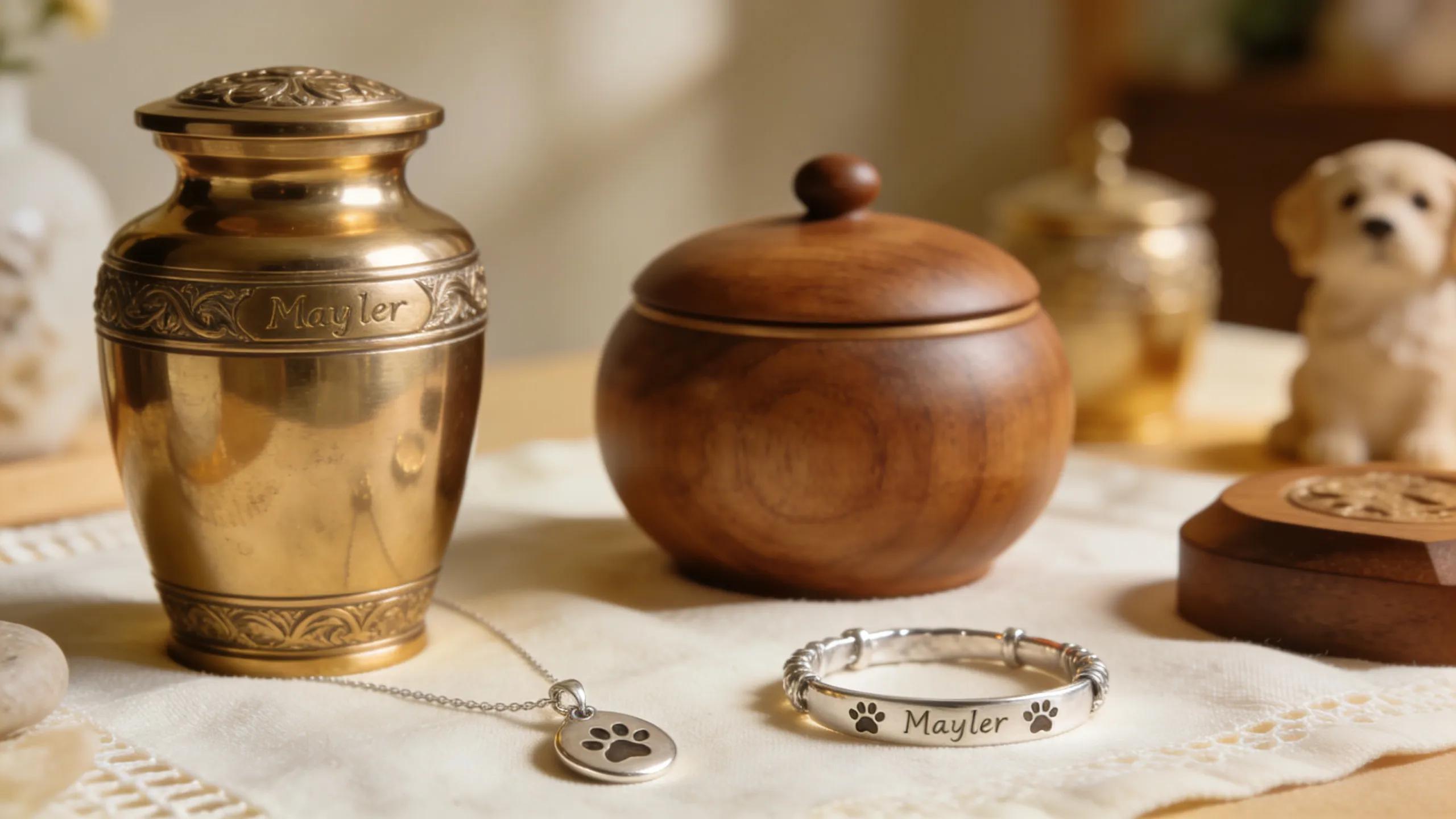
Display of various pet memorial options including urns, jewelry, and personalized tokens

After a pet’s death, owners may select from several memorial options, including urns, memorial jewellery, and personalised services that reflect the pet’s character. Exploring options for creating new life can provide an alternative approach to remembrance.

Which Memorial Products Are Available for Pet Aquamation Remains?

Available memorial options include the following:

  1. Urns: Various styles to accommodate the remains.
  2. Jewelry: Custom pieces that incorporate a portion of the pet’s ashes.
  3. Personalized Memorials: Unique artifacts that celebrate the pet’s life.

How Can Memorial Choices Help Support Pet Loss Grief?

Selecting a considered memorial can aid the grieving process. Personalised tributes provide a tangible connection to the pet and can offer consolation as owners remember their companion.

What Is the Cost of In-Home Pet Euthanasia in NYC?

The cost of in‑home euthanasia varies according to factors such as the veterinarian’s travel distance and any chosen aftercare services, including aquamation. Owners are advised to discuss fees in advance to avoid unanticipated expenses.

Which Factors Influence the Pricing of In-Home Pet Euthanasia Services?

Common factors that affect pricing include:

  1. Distance: The travel time for the veterinarian can increase costs.
  2. Emergency Fees: After‑hours services may incur additional charges.
  3. Euthanasia Packages: Different package options may provide additional services that impact total pricing.

Are There Transparent Pricing Models Available for Pet Euthanasia?

Yes. Many providers, including Compassionate Care Pet Aquamation, seek to present clear pricing structures. Transparent information enables owners to make informed decisions and to inquire about any potential additional fees before confirming services.

Where Can Pet Owners Find Compassionate Support During Pet Loss?

Pet loss is a significant emotional challenge, and many owners find support through local counselling, grief support groups, and online communities. These resources offer practical and emotional assistance during bereavement.

What Resources Are Available for Grief Counseling in New York?

New York provides several grief counselling resources, including:

  • Local Counseling Services: Professional therapists experienced in pet loss.
  • Support Groups: Opportunities to connect with others who share similar experiences.
  • Online Resources: Websites and forums providing information and community support.

How Do Compassionate Care Services Enhance Owner Experience?

Compassionate care services focus on providing clear guidance and emotional reassurance throughout the euthanasia process. Many providers conduct post‑euthanasia follow‑ups to confirm that owners receive ongoing support as they navigate grief.

Frequently Asked Questions

What should I do if I’m unsure about the right time for euthanasia?

Many owners feel uncertain about timing. Consulting a veterinarian is essential; a professional assessment of quality of life will clarify whether the pet is experiencing unrelieved pain or persistent decline. Observe signs such as reduced appetite, breathing difficulties, or marked loss of interest in normal activities. Open family discussion about observations and emotions can also assist in reaching a compassionate decision.

Are there specific aftercare services available for pets after euthanasia?

Yes. Aftercare options commonly include aquamation, burial, and traditional cremation. Providers offer varying packages, so it is advisable to request specific details in advance. Memorial services and personalised mementos are frequently available to help owners honour their pets; stating preferences early ensures arrangements match your wishes.

Can children be involved in the euthanasia process?

Children may participate, but this requires assessment of their emotional readiness. Allowing a child to say goodbye can help them process loss, provided they are prepared for what they may see. Maintain open communication, prepare them for the experience, and involve them only if the family judges it appropriate for the child’s coping ability.

How can I create a peaceful environment for the euthanasia appointment?

Create a calm environment by choosing a familiar, comfortable area free of distractions. Use soft lighting, the pet’s favourite blanket, and low‑volume music if helpful. Assemble family members who wish to be present and attend to everyone’s emotional needs to support a dignified and tranquil farewell.

What should I expect immediately after the euthanasia process?

After euthanasia, the pet typically passes peacefully within seconds. The veterinarian will explain next steps, including aftercare options. Many owners find it comforting to spend a few private moments with the pet. Allow yourself and family members time and space to grieve, as responses to loss vary.

How can I choose the right veterinarian for in-home euthanasia?

Selecting a veterinarian involves research and referrals. Seek professionals experienced in in‑home euthanasia and end‑of‑life care, review online feedback, and request recommendations from trusted contacts. Ensure the veterinarian’s approach aligns with your expectations and consider an initial consultation to establish rapport and address concerns.

Conclusion

Transporting a beloved pet home for in‑home euthanasia provides a compassionate and peaceful setting, reducing stress for both the animal and family. Choosing eco‑friendly aftercare such as aquamation aligns respect for the pet with environmental considerations. As you navigate this difficult process, consider contacting Compassionate Care Pet Aquamation for services and support tailored to your needs. Their offerings aim to provide a respectful and gentle farewell during this significant transition.

Grief Support Resources for Pet Owners in New York: Reliable Guidance and Compassionate Care

Pet owner reflecting on their beloved pet in a serene living room

The death of a companion animal is a significant loss that frequently produces profound grief and disorientation. In New York, a range of verified support services exist to assist pet owners through bereavement. This article summarises emotional support options, practical coping strategies, and memorialisation approaches intended to facilitate healing while preserving the bond with the deceased pet.

As this guide proceeds, it identifies specific services provided by Compassionate Care Pet Aquamation, outlines recommended emotional support resources, and describes practical coping techniques. The guide also details memorialisation choices and explains aquamation as an environmentally mindful aftercare alternative, all with the aim of supporting bereaved owners in a compassionate and transparent manner.

Compassionate Care Pet Aquamation

Compassionate Care Pet Aquamation operates in Oceanside, New York, at 3055 New Street, and provides specialised aftercare services for bereaved owners. The facility is positioned to offer respectful handling of remains within a supportive setting where families can arrange appropriate care.

Aquamation, also referred to as alkaline hydrolysis, is the principal service offered. The process uses controlled water and alkaline solutions to break down organic material and is presented as an eco-conscious alternative to conventional cremation.

For service inquiries or to discuss arrangements, Compassionate Care can be contacted at (516) 608-2279 for detailed information and assistance.

Emotional Support Resources

Access to appropriate emotional support is a key component of healthy bereavement. New York-based resources and national hotlines provide listening, guidance, and referral services to those grieving a pet.

  1. Pet Loss Support Hotlines: Many organizations offer compassionate listening services, allowing pet owners to share their experiences.
  2. Online Forums: Websites dedicated to pet grief provide a space for individuals to connect, share stories, and find comfort with others who understand their loss.
  3. Grief Counseling: Professional services, including licensed therapists specializing in pet loss, can help owners work through their feelings and build coping mechanisms.

Contacting these verified resources can reduce isolation and assist pet owners in processing grief with clinically informed support and peer understanding.

Coping Strategies

Several evidence-informed strategies support emotional adjustment after pet loss. These approaches emphasise structured expression of feelings and meaningful remembrance.

  1. Memorialization: Creating a memorial is a powerful way to honor a pet’s memory. This can include planting a tree, creating a scrapbook, or crafting a personalized memorial keepsake.
  2. Journaling: Writing about feelings and memories can offer a healthy outlet for emotions. It allows owners to process their grief thoughtfully.
  3. Support Groups: Participating in support groups provides a sense of community. Sharing experiences with others who understand the pain of losing a pet can be healing.

Applying these methods can promote adaptive coping, enable gradual emotional recovery, and help pet owners preserve meaningful memories.

Support Groups and Counseling Services

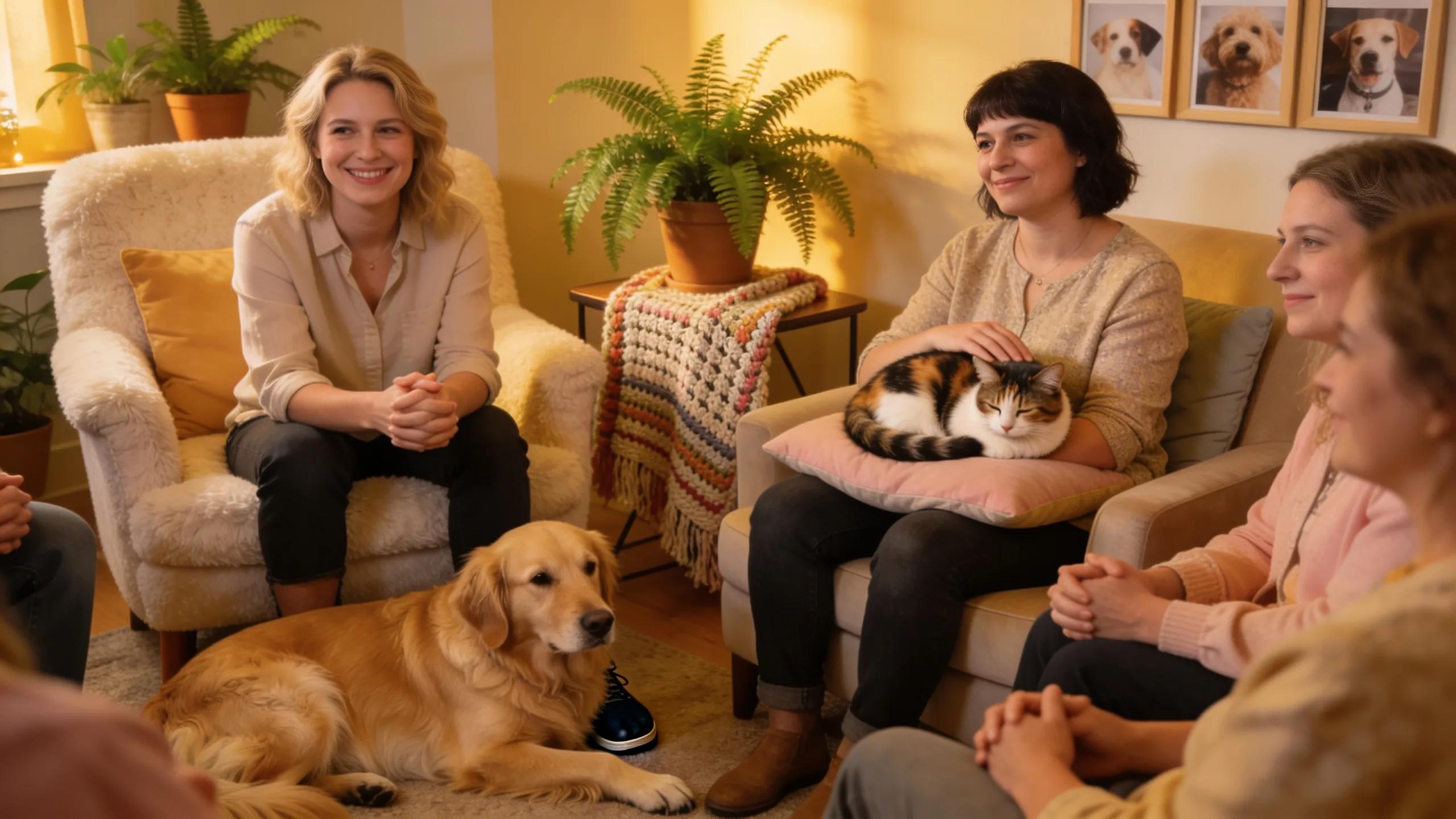
Pet owners sharing experiences in a supportive group setting

Support groups and licensed counseling services are central to comprehensive bereavement care. Both local and online options in New York provide structured opportunities for emotional processing and mutual support.

Numerous established organisations host group meetings, workshops, and individual sessions focused on pet loss. These settings encourage empathetic listening and offer practical coping tools derived from clinical practice and community experience.

What Are the Key Emotional Support Resources for Pet Loss in New York?

Within New York, several recognised resources supply essential assistance to those experiencing pet bereavement. These include hotlines, shelter-based support, and moderated online platforms that facilitate peer connection and professional referral.

  • The Pet Loss Support Hotline: An invaluable service that provides assistance around the clock.
  • Local Animal Shelters: Many shelters host support groups for owners who have lost their pets, encouraging community connections.
  • Online Platforms: Websites like the Association for Pet Loss and Bereavement offer forums and chat rooms for real-time support.

Which Pet Loss Support Groups and Counseling Services Are Available in NYC?

New York City offers multiple established groups and counselling services tailored to pet loss, including monthly bereavement groups, grief therapies led by trained professionals, and online seminars for coping skill development.

  • Paws & Claws Bereavement Support Group: This group meets monthly, allowing sharing and discussion among members who have experienced similar losses.
  • The Humane Society’s Grief Support Services: They offer professional counselors trained in grief therapy specific to pet loss.
  • Animal Friends of New York: This organization hosts online seminars and workshops focused on coping with pet loss.

Participation in these services offers companionable support and evidence-informed guidance during the bereavement process.

How Can Pet Owners Cope With Losing a Pet Effectively?

Grief manifests differently across individuals; adopting deliberate coping strategies can assist in emotional regulation and recovery. Specific methods that are commonly recommended include acknowledging grief stages, establishing new routines, and seeking specialised counselling when necessary.

  • Understanding the Stages of Grief: Recognizing that grief has stages—denial, anger, bargaining, depression, and acceptance—can help individuals process their feelings.
  • Creating New Routines: Developing a new daily routine can help provide structure during this disruptive time, aiding in emotional recovery.
  • Seeking Professional Help: Engaging with grief counselors who specialize in pet loss can provide insight and strategies to work through challenging emotions effectively.

Proactive engagement with these approaches typically supports healthier adjustment and reduces long-term distress.

Aquamation Details

What Is Pet Aquamation and How Does It Differ From Traditional Cremation?

Aquamation is an alternative aftercare method that uses controlled water and alkaline solutions to convert organic remains into a reduced, inert form. It contrasts with flame-based cremation in technique and resource requirements.

The outcome of the process is a fine, ash-like residue suitable for retention or scattering. Many pet owners find reassurance in knowing the method treats remains with dignity while offering an alternative to conventional practices.

What Are the Verified Ecological Benefits of Aquamation in New York?

Environmentally sustainable aquamation process in a serene setting

Aquamation is associated with ecological advantages that appeal to environmentally conscious pet owners, including reduced energy consumption relative to combustion and a process that yields biodegradable residue.

  • Reduced Carbon Footprint: Unlike cremation, aquamation requires significantly less energy, leading to decreased carbon emissions.
  • Water Usage: The process also minimizes water pollution risk, ensuring that no harmful chemicals enter the water supply.
  • Biodegradable Remains: The resulting ashes are completely biodegradable, contributing to an eco-friendly disposition.

Awareness of these ecological features assists owners in selecting aftercare aligned with environmental values.

What Memorialization Options Support Healing and Remembrance for New York Pet Owners?

A range of memorialisation products and services is available to support remembrance, from urns to keepsake jewellery, enabling owners to choose tangible forms of tribute that suit personal preference and budget.

  • Urns: Wood Box Urn ($215), Solid Brass Urn ($225), Heart Tin Urn ($172) provide beautiful ways to keep memories alive.
  • Keepsakes: Heart-shaped pendants or other personalized memorial items serve as meaningful tributes.
  • Cremation Jewelry: Available in various styles, these pieces allow pet owners to carry a part of their loved one with them.

Selecting an appropriate memorial can aid emotional processing and create a lasting focal point for remembrance.

Which Keepsake and Ceremony Choices Are Popular Among Pet Owners?

Common memorial choices reflect personal values and cultural preferences. Typical selections include formal ceremonies, bespoke urns, and living tributes such as tree plantings that symbolise ongoing life.

  • Ceremony Services: Memorial ceremonies that allow friends and family to celebrate the pet’s life together.
  • Personalized Urns: Custom engraving allows for a unique touch, making the urn a more personal tribute.
  • Planting a Tree: An increasingly popular option is to plant a tree in memory of a pet, symbolizing life and growth.

These options provide structure for mourning and can strengthen family and community bonds during bereavement.

How Do Virtual Memorial Services Facilitate Community Support Post Pet Loss?

Virtual memorial services enable geographically dispersed participants to gather, share memories, and provide social support via online platforms, expanding access to communal grieving practices.

  • Accessibility: Virtual options make it easier for friends and family unable to attend a physical service to participate.
  • Community Sharing: Many online platforms allow pet owners to post stories, photos, and tributes, facilitating a sense of community.
  • Flexible Timing: Virtual services can be scheduled at times that work best for the involved parties, ensuring everyone can be included.

These services extend supportive networks and preserve shared remembrances in accessible, lasting formats.

Online Pet Bereavement Support Groups and Coping Mechanisms

To address this research gap, our study investigates online support groups focusing on pet bereavement, aiming to provide insights into how such platforms can more effectively facilitate the complex coping trajectories associated with pet loss grief.Oscillation Design in Online Pet Loss Support Groups: Understanding Motivations, Outcomes, and Challenges, 2026

How Can Pet Owners Arrange Cremation or Aquamation Services Online in New York?

Online arrangements reduce administrative burden and allow owners to complete necessary selections remotely. Compassionate Care Pet Aquamation provides an online interface to select services, submit payments, and access supplementary grief support materials.

  • Select Services: Choose both aquamation and memorial services that suit their needs.
  • Pay Online: Secure payment options make the process smoother during difficult emotional periods.
  • Access Resources: Clients can find additional grief support resources and information directly online to assist in their journey.

Using these online tools can streamline logistical steps and allow owners to prioritise emotional care and decision-making.

What Costs and Service Options Should Owners Expect for Online Arrangements?

Service pricing varies according to selected options. Compassionate Care Pet Aquamation emphasises transparent pricing and provides information on basic service fees as well as optional memorial products and ceremony costs.

  • Basic Aquamation Services: Pricing typically starts with the cost of the aquamation service itself.
  • Memorial Options: Additional charges apply for personalized urns, keepsakes, or memorial ceremonies, ensuring each pet’s unique memory is honored.
  • Flexible Pricing: Consultation for pets under 25 lbs can often be provided upon inquiry, allowing for personalized arrangements that fit different budgets.

Clear presentation of available options supports informed decision-making and ensures dignified aftercare for the pet.

What Support Is Provided for Pet Euthanasia and Aftercare Planning in New York?

End-of-life decisions require informed, compassionate guidance. New York resources include veterinary consultation on humane options, aftercare planning, and access to grief counselling tailored to owners confronting euthanasia.

  • Veterinary Support: Many clinics guide pet owners through the process, offering comfort and practical advice.
  • Advanced Planning Options: These include choosing memorialization or deciding between traditional cremation or aquamation services, ensuring owners feel equipped at every stage of the decision-making process.
  • Counseling Services: Emotional support services are available specifically for individuals facing the difficult decision of euthanasia.

This coordinated support structure aims to reduce distress and ensure that decisions are made with clinical guidance and respect. For further information, consult the pet euthanasia support resources provided by Compassionate Care.

Which Professional Resources Assist Pet Owners During and After Euthanasia?

A range of professionals offer practical and emotional assistance before and after euthanasia, including veterinary teams, grief counsellors specialising in bereavement, and coordinators who manage logistical aspects of aftercare.

  • Veterinary Clinics: Offering consultations about euthanasia options and aftercare.
  • Grief Counselors: Specialists trained in handling pet loss serve as critical supports for navigating complex emotions.
  • Pet Care Coordinators: Many organizations provide coordinators who help you navigate the logistics of bereavement care and organization.

Engaging these professionals ensures comprehensive support through clinical advice, emotional guidance, and practical coordination.

How Does Aftercare Planning Enhance the Grieving Process for New York Clients?

Deliberate aftercare planning offers structure and intentionality during bereavement. Selecting services and memorial options in advance can help owners align decisions with personal values, thereby reducing uncertainty during a difficult period.

  • Choosing Aftercare Services: Options such as aquamation allow owners to align their choices with their values regarding sustainable practices.
  • Memorializing Options: Selecting personalized urns or keepsakes serves to create tangible reminders of the bond shared between the owner and pet.
  • Support Accessibility: Having access to professionals who specialize in pet loss can guide owners through the aftercare process, enhancing the healing journey.

Time invested in aftercare planning can promote a calmer grieving experience and provide lasting, meaningful forms of remembrance.

What Verified Data Supports the Growing Demand for Eco-Friendly Pet Aftercare?

Recent research and market observations document an increased preference for sustainable aftercare options among pet owners. This trend is linked to heightened environmental awareness and community advocacy for green practices in pet services.

  • Environmental Awareness: Many owners express concern for their ecological footprint and prefer options that preserve the environment.
  • Sustainable Trends: The demand for aquamation and other eco-friendly services has increased significantly, reflecting a broader public interest in sustainable practices.
  • Community Support: Many communities have begun to advocate for green initiatives in pet care, pushing for enhanced accessibility to eco-friendly options.

Recognition of these verified trends helps owners make aftercare choices that reflect both personal values and emerging industry standards.

What Are the Recent Trends and Statistics for Pet Aquamation and Grief Support Usage in NYC?

Available data indicate a growing acceptance of aquamation and increased utilisation of grief support services in urban areas, reflecting broader demand for environmentally responsible aftercare and accessible mental health resources.

  • Rising Popularity: The adoption of aquamation services is growing in NYC, with an increasing number of pet owners opting for this process.
  • Support Increase: Grief support services have also seen an uptick in demand, emphasizing the need for accessible mental health resources.
  • Market Growth: Studies indicate that eco-friendly pet aftercare options will likely expand in availability to meet this appetite among conscientious pet owners.

These patterns underscore a community-level shift toward recognising both environmental considerations and the emotional needs of bereaved pet owners.

How Does Evidence-Based Grief Counseling Improve Pet Owner Emotional Wellbeing?

Research supports the effectiveness of evidence-based grief counselling in reducing symptoms of depression and anxiety following pet loss. Therapeutic engagement provides structured opportunities for emotional expression and adaptive coping skill development.

  • Therapeutic Engagement: Engaging in grief counseling can lead to lower levels of depression and anxiety in bereaved pet owners.
  • Emotional Expression: Counseling provides a safe space for individuals to express their emotions and process their grief, facilitating healthier coping mechanisms.
  • Community Impact: Communities with accessible grief support services see better overall emotional wellbeing statistics among pet owners, promoting a sense of belonging and solidarity.

Access to professionally delivered grief counselling is a recommended component of comprehensive bereavement care for pet owners.

Pet Loss: Grief Reactions and Adjustment Processes

A unique emotional bond exists between humans and their companion animals. In contemporary society, pets have transitioned from utilitarian objects to integral emotional family members, fulfilling fundamental human needs for belonging, security, and intimacy. Given the comparatively shorter lifespans of pets, the profound impact of their death warrants significant consideration. This article examines pet owners’ grief reactions and adjustment processes through the lens of life education. It analyzes how life education can facilitate owners in confronting loss, completing the mourning process, and reconstructing meaning. The findings indicate multifaceted grief reactions spanning emotional, cognitive, physical, and behavioral domains. Grief intensity is correlated with attachment strength, cause of death, and the availability of social support. Grief adjustment is characterized as a dynamic process.Grieving the Death of Pets from the Perspective of Life Education: The Experience of Taiwan, 2026

Frequently Asked Questions

What signs indicate when a pet might be nearing the end of their life?

Common clinical indicators include sustained lethargy, reduced intake of food or water, altered respiration, impaired mobility, and changes in vocalisation that suggest discomfort. Veterinary consultation is essential to evaluate these signs and to review palliative or humane euthanasia options based on the animal’s condition.

Are there specific legal considerations for pet aftercare in New York?

Pet aftercare in New York is subject to environmental and health regulations. Owners should confirm that providers are properly licensed and adhere to applicable local statutes and disposal standards, and should obtain any required authorisations or documentation before proceeding.

How do I choose the right memorialization option for my pet?

Select options that align with personal values and desired forms of remembrance. Consider emotional resonance, family involvement, and durability. Reviewing available products and services, including custom urns and keepsakes, will support an informed selection that honours the pet’s memory.

What role does social media play in sharing memories of lost pets?

Social media can serve as a controlled forum for remembrance, allowing owners to share photos and narratives and to access peer support groups. When used intentionally, these platforms provide communal validation and extend the reach of supportive networks.

How can I support a friend who has lost a pet?

Provide attentive presence and active listening. Practical assistance—such as offering meals or help with errands—can relieve immediate burdens. Recommend reputable support resources when appropriate and encourage sharing positive memories to validate the bereaved person’s experience.

What are some ways to engage children in processing pet loss?

Use age-appropriate explanations and encourage expression through drawing, writing, or memory projects. Create a memory box with photographs and mementos, and consider literature on grief to facilitate dialogue. Validate children’s emotions and provide reassurance that sadness is a normal response.

What type of professional services are available for pet loss grief counseling?

Professional options include individual therapy with counsellors experienced in bereavement, specialised pet-loss therapists, and group therapy formats that provide peer support. These services offer evidence-based strategies to process grief and to restore emotional functioning.

Conclusion

Identifying verified resources for pet loss support in New York can materially reduce the emotional burden faced by owners. Utilising services such as Compassionate Care Pet Aquamation, engaging with local support networks, and selecting meaningful memorialisation and coping strategies all contribute to a structured, respectful grieving process. Owners are encouraged to review the referenced resources and to access professional support as needed to advance their healing.

Top Tips for Ensuring Your Pet’s Remains Are Treated With Dignity and Care Using Pet Aquamation Services in New York

The loss of a pet is deeply felt. Ensuring their remains are handled with care and dignity is a priority for many owners. Aquamation is an increasingly used, gentle and eco‑friendly alternative to traditional cremation. This article provides clear guidance on benefits, procedures and emotional support options offered by compassionate aquamation services.

Recognizing the emotional burden that follows pet loss is essential. Selecting services that prioritise respectful handling can help provide closure. The following discussion covers aquamation benefits, procedural steps, available support and best practices to assist owners in making informed decisions.

Benefits of Aquamation

Visual representation of the ecological benefits of pet aquamation highlighting sustainability and respect for the environment

Aquamation, or alkaline hydrolysis, offers distinct advantages for owners concerned with environmental impact and dignified handling. The method uses controlled water flow and an alkaline solution to break down remains in a manner that is both gentle and efficient.

  1. Eco-Friendly Process: Unlike flame cremation, aquamation is environmentally sustainable, producing no harmful emissions. This method aligns with growing concerns about ecological preservation, making it a suitable choice for environmentally-conscious pet owners.
  2. More Ashes Returned: Pet owners can expect a greater volume of ashes compared to traditional methods, providing a more meaningful memorial experience as families can retain more of their pet’s physical remains.
  3. Nutrient-Rich Byproduct: The byproducts of the aquamation process are natural and can enhance soil health, contributing positively to the ecosystem when returned to nature.

Taken together, these benefits reflect humane treatment of remains and a clear commitment to environmental responsibility, making aquamation a considered option for pet owners.

Aquamation: An Environmentally Sustainable Alternative to Traditional Pet Cremation

Aquamation represents a viable alternative within the range of cremation methodologies, distinguished by its environmentally benign and sustainable operational characteristics. Combatting Your Environmental Impact After Death: An Exploratory Analysis of Local Solutions to Facilitate Dying Green., 2023

Procedures

Arranging aquamation involves a series of defined steps designed to keep owners informed and supported. Clear procedures can reduce stress during a difficult time.

  1. Initial Arrangements: Start by contacting an aquamation service provider, where you can learn about their offerings and processes, ensuring they align with your wishes for your pet’s remembrance.
  2. Personalized Memorial Options: Many providers, including Compassionate Care Pet Aquamation, typically offer various memorialization options, allowing pet owners to choose how they would like to commemorate their pet once the aquamation process is complete.
  3. Gentle Handling of Pets: Ensuring your pet’s remains are treated with dignity includes verifying that the service provider has protocols to handle animals with care and respect, which is fundamental to the aquamation process.

These steps outline a practical roadmap for owners seeking a dignified farewell, ensuring each element of the process honours the pet’s memory.

Emotional Support Options

Compassionate support for pet owners during the grieving process with a focus on emotional healing and community

Pet bereavement can be isolating. Access to structured emotional support helps owners manage grief and make considered decisions. A range of resources is available to provide practical and emotional assistance.

  1. Compassionate Staff Assistance: Many aquamation service providers have trained staff available to offer emotional support and guidance for pet owners. This compassionate approach can help individuals navigate their feelings and choices.
  2. Grief Resources Available: Consider seeking out local support groups or online communities that specialize in pet loss. These resources can provide a nurturing space for pet owners to share their feelings and learn from others undergoing similar experiences.
  3. Support During Decision-Making: Utilizing professionals who understand the grieving process can ease decision-making burdens. Whether it’s choosing memorial options or discussing the aquamation process, a caring support system allows for thoughtful, measured choices.

An environment of support aids recovery and helps owners feel assured about the decisions they make regarding their pet’s remains.

What Is Pet Aquamation and How Does It Ensure Respectful Remains Handling?

Pet aquamation is a water‑based, alkaline process used to handle deceased pets respectfully. The method reduces reliance on flame and maintains procedural dignity throughout. For comparison, information on pet cremation in NYC is available to help evaluate end‑of‑life options.

The process parallels natural decomposition and facilitates a safe return to nature. It typically has a lower environmental impact than traditional cremation and can offer practical and emotional advantages for owners.

Aquamation: Sustainable and Emotionally Supportive Pet Disposition Practices

This review emphasizes technologically advanced innovations including electric crematories, aquamation, and biodegradable interment options. Reconceptualizing and redefining end-of-life rituals for a sustainable future involves a constructive dialogue between established traditions and contemporary advancements, rather than their erasure. It necessitates the integration of ecologically sustainable practices that genuinely resonate with the emotional and spiritual facets of bereavement.

Ritual Ecologies: Analyzing the Environmental Impact and Cultural Sustainability of Death Practices Across Civilizations through Selected Case Studies, R Mishra, 2025

The aquamation process commonly requires 24–48 hours, depending on the pet’s size and provider procedures. This timeframe allows families to consider memorial options. The higher yield of ashes and nutrient‑rich byproducts further reflect the method’s respectful intent.

How Does the Aquamation Process Work for Pets?

The aquamation process is methodical and transparent, offering an alternative to flame cremation while emphasising dignity and environmental stewardship.

  1. Preparation Steps: Initially, the pet is prepared for the aquamation process, including respectful handling to ensure a smooth transition.
  2. Heating and Circulation: The remaining organic matter is gently broken down using a combination of water flow and alkaline solution, without the harshness of flame. This temperature-controlled environment ensures that the process is both efficient and safe.
  3. Return of Remains: After the procedure is complete, the pet’s remains are returned to the family as ashes, providing a chance to memorialize the beloved companion in a meaningful manner.

The procedure maintains dignity while minimising environmental impact, making it a responsible option for contemporary pet care.

Why Is Aquamation Considered an Environmentally Responsible Choice?

Aquamation is increasingly regarded as an environmentally responsible alternative to traditional cremation. It reduces emissions and supports the return of nutrients to the soil.

  1. No Harmful Emissions: Unlike traditional cremation, which releases carbon and other pollutants into the atmosphere, aquamation produces no harmful byproducts, reinforcing its environmentally friendly stance.
  2. Energy Efficiency: The process consumes significantly less energy than flame cremation, thereby reducing the overall resource footprint associated with pet disposal.
  3. Supports Natural Decomposition: By returning nutrients to the soil, aquamation complements the natural recycling processes of the ecosystem, promoting sustainability for future plant and animal life.

This environmentally conscious approach supports both the preservation of the natural environment and the dignified memorialisation of pets. For owners interested in living memorials, some services provide options for creating new life via bio‑urns.

How Can You Arrange Pet Aquamation Services Online in New York?

Arranging pet aquamation in New York can be completed online with relative ease if you know how to navigate provider resources. Familiarity with a provider’s site and offerings streamlines the process during a sensitive period.

  1. Visit the Provider’s Website: Start by exploring the offerings of trusted service providers, including Compassionate Care Pet Aquamation, which specializes in personalized aquamation services.
  2. Complete Necessary Forms: Online forms streamline the process by allowing pet owners to share important information efficiently, ensuring that the service provider can cater to their specific needs.
  3. Payment and Confirmation: After submitting the necessary details, review the service offerings, and complete the payment process. Confirmation details typically follow, offering peace of mind that arrangements are handled.

Using online tools enables owners to arrange a respectful farewell with less administrative burden and to connect with specialists who provide guidance throughout the process.

What Steps Are Involved in Booking Pet Aquamation Online?

After choosing aquamation, booking is typically handled online to reduce the logistical and emotional load on owners.

  1. Select Location and Service Package: Identify the service package that aligns with your wishes, ensuring you comprehend the details as you make your choice.
  2. Fill Out Necessary Paperwork: Complete all required forms to finalize the booking, covering essential details such as your pet’s information and memorial preferences.
  3. Confirmation After Booking: After submitting your paperwork and payment, you will receive a confirmation that outlines the next steps in the aquamation process, allowing you to feel reassured during this difficult time.

These steps simplify the practical arrangements so families can concentrate on memorialising their pets rather than the associated logistics.

Which Verified Providers Offer Aquamation Services in NYC?

Several verified providers offer aquamation services in New York City, giving owners access to trusted options. One such provider is Compassionate Care Pet Aquamation.

  • Provider: Compassionate Care Pet Aquamation
  • Address: 3055 New Street, Oceanside, NY 11572
  • Phone: 516-608-2279

Choosing a verified provider helps ensure careful handling of remains and comprehensive support during the process. For additional information, review the services offered by Compassionate Care Pet Aquamation.

What Are the Best Practices to Ensure Your Pet’s Remains Are Handled With Dignity?

The following best practices can guide owners to ensure dignified handling of their pet’s remains:

  1. Choose a Reputable Service: Research providers and choose one with positive reviews and testimonials attesting to their compassionate care methods.
  2. Understand the Aquamation Process: Familiarize yourself with how aquamation works, including the benefits compared to traditional methods, ensuring your emotional and ethical needs are met.
  3. Explore Memorial Options: Investigating available memorial options can lead to thoughtful choices regarding how to commemorate your pet’s life post-aquamation.

Following these practices helps owners make informed decisions and secure respectful care for their pets.

How Do Certified Protocols Guarantee Compassionate Care?

Certified aquamation providers operate under strict protocols designed to ensure that pets are treated with respect throughout the process. These certifications and standards cover technical and ethical elements of service delivery.

  1. Professional Standards: Providers must adhere to established standards that govern the humane treatment of remains, reinforcing a commitment to ethical practice.
  2. Staff Training and Compassion: Staff is typically trained in both the technical and emotional aspects of pet loss, ensuring sensitivity during their interactions with grieving pet owners.
  3. Transparency in Services: Certified providers often maintain high levels of transparency in describing their services, allowing pet owners to understand what to expect in both processes and outcomes.

These measures are central to building owner confidence and supporting more peaceful arrangements during a difficult period.

What Transparent Measures Protect Your Pet’s Remains?

Transparency in the handling of remains is a key assurance for owners. Providers who communicate clear processes and handling protocols foster trust throughout the aquamation procedure.

  1. Detailed Service Processes: Providers can offer clear descriptions of every step involved in aquamation, fostering confidence in the respect maintained throughout the procedure.
  2. Handling Protocols: Employing established protocols for the respectful handling of remains shows commitment to standards that prioritize dignity.
  3. Return of Ashes: Clear communication around how and when the ashes will be returned helps owners plan their memorialization steps effectively.

Such transparency builds assurance that pets will be treated respectfully until they are returned to their families.

What Memorial Options Are Available After Pet Aquamation?

After aquamation, owners have several memorial options to honour their pets. These choices accommodate different preferences for remembrance.

  1. Types of Urns: Aquamation services often provide a range of urns, including biodegradable and decorative styles, catering to various memorial preferences.
  2. Keepsake Options: Many providers offer keepsake jewelry that incorporates a small portion of ashes, allowing pet owners to keep their pets close at heart.
  3. Living Memorial Trees: Some choose to plant a memorial tree using a bio-urn, creating a living tribute that grows and flourishes as a way of honoring their pets.

These options support meaningful memorials that reflect a pet’s unique character and an owner’s wishes.

How Do Memorial Bio-Urns Support Living Memorial Trees?

Memorial bio-urns enable owners to return their pets to nature while supporting the growth of a tree or plant. This approach combines memorialisation with environmental benefit.

  1. Bio-Urn Functions: These urns are made from biodegradable materials that house your pet’s ashes in a way that supports the healthy growth of a tree or plant.
  2. Contributions to the Environment: By using a bio-urn, pet owners contribute positively to the environment, creating new life and supporting ecological health as they memorialize their beloved pets.

This option honours a pet’s memory and contributes positively to the environment, illustrating the connection between remembrance and ecological restoration.

What Personalized Memorial Products Help Celebrate Your Pet’s Life?

Personalised memorial products provide tangible ways to celebrate a pet’s life. Providers commonly offer a range of items to match different preferences.

  1. Urns, Jewelry, and Keepsakes: Offering various forms of memorialization, providers can help connect owners with products that resonate, such as personalized urns or memorial jewelry.
  2. Personalization Features: Many providers allow customization options that enable pet owners to include names, dates, or even imagery that represents their pets’ unique spirit.

These products offer a concrete means to honour a pet and preserve its memory within the family.

How Can Emotional Support Resources Aid Pet Owners During End-of-Life Decisions?

Emotional support resources assist owners in managing grief and making considered end‑of‑life decisions. Access to appropriate support reduces isolation and aids clear decision‑making.

  1. In-Home Euthanasia Options: For many, in-home euthanasia offers a way to say goodbye in a familiar and comfortable environment, reducing stress for both pet and owner.
  2. Grief Resources: Numerous organizations offer grief support specifically aimed at pet loss, providing access to counseling and community resources tailored to pet owners.
  3. Support Channels: Pet owners can reach out to trained professionals or local support groups, which are invaluable for shared experiences and emotional sharing.

Engaging these supports helps owners navigate complex emotions and make informed choices regarding their pet’s final arrangements.

What Services Complement Pet Aquamation for Compassionate Care?

Complementary services can enhance the overall compassionate care available to owners. Providers often bundle additional support to address practical and emotional needs.

  1. Complementing Services: Additional offerings such as grief counseling and personalized memorial planning can significantly enhance the experience by providing support before, during, and after the aquamation process.
  2. Packages Available: Many aquamation providers package their services to include memorial items, professional guidance, and emotional support, simplifying the decision-making process for pet owners.

These supplemental services form a comprehensive care approach that attends to both the logistical and emotional aspects of pet loss.

Where Can Pet Owners Find Reliable Emotional Support?

Reliable emotional support is available through local and online resources specialising in pet loss. Identifying appropriate channels in advance can be helpful.

  1. Local Support Groups: Many communities host support groups that specifically address pet loss, providing pet owners with a space to share their grief and connect with others who understand their pain.
  2. Online Resources: Numerous online platforms offer virtual support, allowing pet owners to access services, forums, and professionals from the comfort of their homes.

Exploring these resources ensures owners have support to manage grief effectively and to find solace through shared experience and professional guidance.

Frequently Asked Questions

What types of pets can be handled through aquamation services?

Aquamation accommodates a wide range of pets, including dogs, cats, rabbits and smaller animals such as hamsters or guinea pigs. Providers typically specify the species and size limits they accept, so confirm details with your chosen service. The method is suitable for owners seeking a respectful farewell regardless of a pet’s species.

How long does the aquamation process take?

The aquamation process generally requires 24–48 hours, depending on the pet’s size and the provider’s procedures. This timeframe allows for a thorough and dignified process. Families can use this period to prepare memorial arrangements and reflect on their pet’s life.

Are there specific legal requirements for pet aquamation in New York?

New York does not maintain statewide laws specific to pet aquamation; however, providers must comply with general state and local regulations governing waste disposal and animal remains. Select a licensed provider that follows applicable regulations and is in good standing with local authorities.

Can pet owners witness the aquamation process?

Some providers permit owners to witness parts of the process, while others do not due to facility constraints or policy. Contact the provider in advance to confirm viewing or participation options. For many families, being involved can provide a measure of closure.

What should families consider when selecting an aquamation service provider?

When choosing a provider, review reputation, customer feedback, relevant certifications and the level of personal support offered. Clarify procedural details, memorial options and available emotional support to ensure the service aligns with your expectations for a dignified farewell.

How can pet owners personalize their pet’s memorial after aquamation?

Owners may personalise memorials in several ways, such as selecting a bespoke urn, assembling a memory box with photographs and toys, choosing keepsake jewelry that holds a small portion of ashes, or planting a tree with a bio‑urn. These options help honour the unique bond between a pet and its family.

Conclusion

Aquamation can provide dignified handling of a pet’s remains while supporting environmental sustainability. Selecting a specialised, verified provider ensures professional care and emotional support during a difficult time. Review the available options to determine the most appropriate way to honour your companion.

What to Expect From Pet Cremation and Aquamation Services in NYC: A Comprehensive Guide

The loss of a pet is profoundly distressing. Deciding how to manage your companion’s remains is a central part of grieving. Reviewing aftercare options, including cremation and aquamation services in New York City, can reduce uncertainty. This guide explains procedures, costs, memorialization options and how to arrange services so you can make an informed decision and access appropriate support.

Procedures Involved:

Pet aftercare typically involves two primary options: aquamation and cremation. Knowing how each process operates will assist in selecting the most appropriate method for your pet.

Aquamation:

Aquamation, also known as alkaline hydrolysis, is a water-based process that uses controlled water flow and temperature to reduce a pet’s remains to their basic elements. This method produces a nutrient-rich liquid byproduct that can be used to nourish plants or returned to the environment. Thus, aquamation both honors your pet and supports environmental sustainability.

Cremation:

Cremation employs high temperatures to reduce the pet’s body to ashes. This fire-based process generally returns ashes more quickly than aquamation, often within a few hours. The two methods differ in environmental impact: cremation releases emissions to the atmosphere, while aquamation has a substantially lower carbon footprint.

Associated Costs:

Understanding the costs associated with pet cremation and aquamation is essential for budgeting aftercare options.

  1. Lowest Price Guarantee: Many providers aim for competitive pricing, with a commitment to offer lower costs than competitors.
  2. Urns and Memorial Items: Prices for urns and memorial items can vary widely; for example, urns range from approximately $50 to $300 depending on materials and customization options.
  3. Factors Affecting Price: The type of service (individual or communal), the specific requirements, and additional memorial products can influence overall pricing.

Available Memorial Options:

Diverse memorial options for pets including urns and keepsakes highlighting remembrance choices

Memorialization options can assist in commemorating your pet and provide tangible reminders of the bond you shared.

  1. Range of Urns Available: From solid brass urns starting at around $200 to wooden box urns priced at approximately $150, there are many styles to choose from.
  2. Keepsakes and Jewelry Options: Personalization enhances these items, with heart-shaped urns available for around $150 and keepsake pendants providing a special way to carry a memory.
  3. Personalized Memorial Services: Many services offer customized memorial programs to honor your pet meaningfully.

How Does the Pet Cremation Process Work in NYC?

Pet cremation in NYC follows a series of regulated steps designed to ensure a respectful and compliant service.

What Are the Steps and Duration of Pet Cremation?

The pet cremation process begins with collection of the remains, followed by identification verification and documentation. Typically the procedure is completed within a few hours, with ashes returned shortly thereafter. Clear expectations about each step can reduce stress during this difficult time.

What Are the Legal and Regulatory Requirements for Pet Cremation in NYC?

Pet owners must comply with legal guidelines when arranging cremation, including providing appropriate documentation and selecting accredited facilities. Familiarity with these requirements helps ensure compliance and selection of a reputable provider.

What Are the Benefits and Procedures of Pet Aquamation in NYC?

Pet aquamation provides distinct advantages that may make it an appropriate choice for many owners.

How Is Pet Aquamation Performed and What Environmental Advantages Does It Offer?

Aquamation is performed by placing the pet’s body in a specialized vessel where water and alkali work together to break it down gently. The environmental benefits include a reduced carbon footprint and byproducts that can benefit soil and plants, supporting ecological health.

How Does Life After Loss Feel?

Grieving is an individual process. Understanding the emotional journey and the services available can assist owners. For those who wish to honor a pet’s memory through renewal, resources exist to guide this path and offer perspective on remembrance and continuity.

How Long Does Pet Aquamation Take Compared to Traditional Cremation?

Aquamation generally requires more time than traditional cremation, often taking a few days to complete. This longer timeline supports a more complete breakdown of remains while ensuring environmental considerations are addressed.

What Pet Memorial Options Are Available in NYC Aftercare Services?

Aftercare services in NYC offer multiple memorial options to commemorate your pet’s life.

  • Memory options include urns, personalized jewelry, and memorial ceremonies that can honor your pet in a meaningful way.
  • Additional keepsakes can serve as reminders of the bond you shared, helping to ease the grieving process.

How Can Pet Owners Arrange Cremation and Aquamation Services Online in NYC?

Booking pet aftercare services online is increasingly accessible for owners with limited time.

What Is the Step-by-Step Process for Booking Online Pet Aftercare?

  1. Visit the Service Provider’s Website: Input your information carefully, selecting the type of service—cremation or aquamation.
  2. Submit Necessary Documents: This may include ID verification and relevant paperwork.
  3. Payment Confirmation: Provide payment through secure means, ensuring you receive confirmation of your chosen service.

What Are the Typical Costs and Pricing Transparency for Pet Cremation Services in NYC?

Providers generally publish clear pricing to enable owners to budget effectively for aftercare services.

How Are Pet Cremation Services Priced in NYC and What Factors Affect Costs?

Costs vary according to the type of service selected—individual versus communal—and by additional features such as urn selection or memorial packages. Understanding these variables promotes transparency and informed decision-making.

Are There Affordable and Eco-Friendly Cremation Options Available?

Sustainable options that respect the environment while providing meaningful memorialization are increasingly available. Some providers emphasize sustainable practices and competitive pricing without compromising service quality.

What Support and Guidance Are Provided for Pet Euthanasia and Emotional Care?

The end-of-life period for pets is emotionally demanding and commonly requires access to supportive resources for owners.

How Do NYC Services Assist Pet Owners Through the End-of-Life Decision and Process?

Many services offer counseling and emotional support for families facing the decision of euthanasia, guiding them through the process to ensure comfort and dignity. Options for pet euthanasia and end-of-life care are available through accredited providers.

What Emotional Care Resources Are Recommended for Grieving Pet Owners?

Local support groups, online forums and professional counseling resources are important for coping with loss. Accessing these services can provide emotional support and a community for sharing experiences and memories.

Frequently Asked Questions

1. What should I consider when choosing between cremation and aquamation?

Consider environmental impact, processing time, legal requirements and available memorialization options. Aquamation is more eco-friendly, using water and alkali, while cremation uses high heat. Also reflect on your emotional needs and preferences for keepsakes; selecting a service aligned with your values will assist in finding closure.

2. Can I personalize the memorial items for my pet?

Yes. Many pet cremation and aquamation providers offer customizable memorial items, including urns, jewelry and keepsakes that can be inscribed with a pet’s name, dates, paw prints or a brief message. Discuss personalization options directly with your provider to confirm specifications and timing.

3. What is the difference in legality between cremation and aquamation?

Legal requirements may vary by facility and local regulation. Both processes typically require documentation confirming ownership and may necessitate permits. Working with a licensed provider familiar with local laws will help ensure full compliance and a smooth process.

4. How do grief support services help after losing a pet?

Grief support services provide counseling, facilitated support groups and resources tailored to pet bereavement. Many organisations run workshops and host online platforms where owners can share experiences. Veterinarians can also recommend local and professional resources to support emotional recovery.

5. Are there timeframes for the collection and return of remains?

Timeframes vary by service: cremation can return ashes within a few hours to a day, while aquamation may take several days due to its longer processing time. Confirm scheduling and expected timelines directly with your service provider to set clear expectations.

6. Is there a way to memorialize my pet in a unique location?

Yes. Many owners choose memorials in gardens, parks or private spaces. Options include planting memorial trees, creating dedicated garden areas with stones, or holding a ceremony at a chosen location. Discuss your plans with the provider to arrange a meaningful tribute.

7. Can I arrange for services during off-hours or weekends?

Many aftercare providers offer flexible scheduling, including off-hours and weekend appointments, to accommodate families during difficult times. Inquire about availability and emergency services when you first contact the provider to ensure your needs can be met.

Conclusion

Choosing between pet cremation and aquamation offers dignified aftercare options, each with distinct benefits and memorialization possibilities. By understanding the procedures and environmental considerations, owners can make informed decisions that honour their companions. Review the available memorial products to identify an appropriate tribute, and contact us for personalised assistance with arrangements.

Key Factors for Selecting Pet Cremation Services in NYC: Aquamation, Memorials, Pricing, and Online Arrangements

Selecting a pet cremation service is a compassionate and consequential decision. In New York City, where multiple providers operate, it is essential to assess the factors that ensure a dignified farewell. This article examines cremation methods, memorial services, pricing determinants, and the convenience of online arrangements to help you choose a service that aligns with your values and honours your companion. We also address the benefits of aquamation, environmentally responsible practices, and how thoughtful memorialisation can support the grieving process.

Cremation Options

Visual representation of traditional flame cremation and eco-friendly aquamation options for pets.

Understanding the available cremation methods is a necessary step for pet owners facing this decision. In NYC, providers commonly offer both traditional flame cremation and aquamation, the latter increasingly chosen for its lower environmental impact. Traditional flame cremation reduces the body to ash through high-temperature incineration and often includes ritual elements that permit final farewells. For those seeking an alternative to flame-based methods, aquamation provides a technically distinct, environmentally informed option.

Aquamation, also referred to as water cremation or alkaline hydrolysis, employs chemical dissolution rather than heat to process remains. The procedure uses an alkaline solution to break down soft tissues, leaving bone fragments comparable to those produced by traditional cremation. Many families regard this method as a calm and respectful means of handling remains while reducing emissions relative to flame-based processes.

When considering pet cremation in NYC, it is prudent to verify the specific services each provider offers. Different options deliver distinct benefits; reviewing the level of care, possibilities for personalised ceremonies, and the availability of memorial keepsakes will inform your decision. Clear information about procedures and safeguards can provide additional reassurance at a difficult time.

Some owners will also evaluate end-of-life care choices for their pets. Making informed decisions about euthanasia services is an integral part of that process; engaging providers who demonstrate compassion and professional standards can mitigate emotional strain. Coordinating end-of-life care with memorial planning ensures continuity of care and supports bereavement.

Remembrance often includes symbolic acts that create meaning or mark new beginnings in honour of a pet. A range of memorialisation options exists, from traditional urns to bespoke tributes that reflect the pet’s life and legacy. Considering these alternatives in advance can provide comfort and a tangible focus for remembrance.

Choosing a pet cremation service in NYC requires weighing each element—from the selected cremation method to memorialisation offerings—so your companion receives a respectful farewell. Recognising aquamation as an eco-conscious option or evaluating other services helps ensure the choice aligns with your preferences and needs. The grieving process is individual; selecting a service that resonates with you supports the search for peace.

Frequently Asked Questions

What is aquamation and how does it differ from traditional cremation?

Aquamation, also called water cremation or alkaline hydrolysis, is an environmentally preferable alternative to traditional flame cremation. Rather than incineration at high temperatures, aquamation uses a controlled alkaline solution to dissolve soft tissues, leaving mineralised bone remains. The process is generally less carbon-intensive and yields fewer emissions, making it a sustainable option for pet owners concerned with environmental impact.

How do I choose the right pet cremation service for my needs?

Choosing an appropriate pet cremation service requires evaluating key factors such as available cremation methods, opportunities for personalisation, and the scope of memorial services. Research local providers in NYC to compare standards of care, customisation options for ceremonies, and any additional services like keepsakes. Prioritise the elements that matter most to you and your pet’s legacy to guide a well-informed decision.

Are there legal considerations when selecting a pet cremation service in NYC?

Yes. It is important to confirm that the provider is properly licensed and operates in compliance with New York City regulations concerning the handling and disposal of animal remains. Discussing required permits and paperwork with the provider will reduce legal risk and confirm adherence to applicable health and safety standards.

What memorialization options should I consider after cremation?

There are several memorialisation options to consider after cremation, including standard urns, personalised keepsakes, and biodegradable urns designed to support tree growth. Some providers also offer memorial jewellery that incorporates a small portion of remains, as well as tribute services featuring photographs and written remembrances. Select the option that best reflects how you wish to honour your companion.

What are the costs associated with pet cremation services?

Costs for pet cremation services in NYC vary according to the chosen method (traditional cremation or aquamation), supplementary services such as memorialisation, and the size of the pet. Request itemised price quotes from multiple providers and review what is included—transportation, documentation, and any urn or keepsake—so you can compare offerings transparently and select a service within your budget.

How can I ensure my pet receives respectful care during the cremation process?

To ensure respectful care, select a provider with a documented record of compassionate service and clear operational practices. Look for options such as private cremation or opportunities to participate in a farewell ceremony. Reviewing customer feedback, seeking recommendations, and asking precise questions about handling procedures will help confirm that your pet will be treated with dignity.

Can I arrange pet cremation services online, and how does that work?

Yes. Many providers now offer online arrangements that allow you to select the cremation method, choose memorialisation options, and complete necessary paperwork digitally. Providers may also offer virtual consultations to discuss specific needs. Online arrangements can streamline logistics during an emotionally challenging time and make the process more manageable for bereaved owners.

Conclusion

Selecting a pet cremation service that aligns with your values ensures a respectful farewell; options such as aquamation provide environmental advantages. Personalised memorialisation contributes significantly to honouring your pet’s legacy and supporting the family’s recovery. By reviewing the services available in NYC and verifying provider credentials and practices, you can make informed decisions that meet your needs during this difficult period. Consider exploring our comprehensive range of pet cremation services to identify the option that best supports a meaningful farewell.

Pet Cremation Services NYC: Exploring Memorialization Options and How to Arrange Aquamation for Pet Owners

The loss of a pet is a distressing event for many owners. To honor and remember companions, owners may choose among several memorial options; pet cremation and aquamation are two methods that have seen increased use. This article explains their differences, reviews environmental considerations, and outlines how to arrange these services. By clarifying costs and available memorial products, owners can plan a fitting tribute that reflects their needs and values.

What Is Pet Aquamation and How Does It Differ from Traditional Cremation?

Eco-friendly pet aquamation process emphasizing water and natural materials, showcasing respect and dignity

Pet aquamation, also called water cremation or alkaline hydrolysis, is an alternative to traditional cremation that employs an alkaline solution to break down the animal’s body. The process produces sterile liquid and bone ash that can be returned to owners. Unlike conventional cremation, which uses high heat and generates greenhouse gases, aquamation requires substantially less energy and does not emit those combustion by-products. Owners concerned about environmental impact may therefore prefer aquamation while retaining comparable memorial options. For pet owners in the New York City area seeking compassionate end-of-life services, exploring pet cremation in NYC can provide a dignified option to honor a companion.

Sustainable Pet Memorials: Aquamation and Environmentally Sound Practices

This work highlights technology-driven innovations such as electric crematories, aquamation, and biodegradable interment alternatives. It argues that rethinking death rituals to support sustainability does not require abandoning tradition but can create a constructive dialogue between established heritage and contemporary practices. The study advocates for ecologically sustainable approaches that address the emotional and spiritual dimensions of bereavement.

Ritual Ecologies: Analyzing the Environmental Impact and Cultural Sustainability of Death Practices Across Civilizations through Selected Case Studies, R Mishra, 2025

Aquamation services, including those provided by Compassionate Care Pet Aquamation, offer a compassionate, environmentally considerate option for farewell. The practice of creating new life from remains is an option some families find consoling. Reliable resources such as Compassionate Care Pet Aquamation can assist owners in making these sensitive decisions.

Owners considering end-of-life care should review all available options, including professional veterinary support. Reviewing pet euthanasia services can help owners make calm, informed choices for their animals.

Frequently Asked Questions

What are the benefits of choosing aquamation over traditional cremation?

Aquamation, or alkaline hydrolysis, provides environmental advantages compared with traditional cremation: lower energy consumption and the absence of combustion emissions. The method uses an alkaline solution rather than high temperatures and yields sterile liquid and bone ash suitable for memorialization. For owners prioritizing environmental impact, aquamation presents a respectful alternative aligned with those concerns.

How can I honor my pet’s memory after aquamation?

After aquamation, owners may memorialize remains in several meaningful ways. Common options include incorporating bone ash into jewelry, planting it with a tree, placing it in a decorative urn, compiling a scrapbook, holding a memorial service, or creating a small dedicated garden. These actions commemorate the pet and can support the grieving process.

What costs should I expect when arranging aquamation services?

Costs for aquamation vary by location, provider, and selected services. In general, aquamation is competitively priced with traditional cremation but may include additional fees for memorial products or personalized services. Obtain detailed quotes from multiple providers to understand the full cost and to avoid unexpected charges during a sensitive time.

Can I be present during my pet’s aquamation process?

Some aquamation providers recognise the emotional needs of owners and may permit attendance for portions of the process, subject to facility policies and local regulations. Discuss your preferences with the provider in advance to determine what is permissible and to ensure you receive appropriate support.

How does aquamation compare economically to burial options?

Aquamation is often more economical than burial, primarily because it avoids ongoing costs associated with maintaining a burial site. Traditional burial can involve expenses for caskets, grave markers, and perpetual care, which accumulate over time. Aquamation generally involves one-time fees that cover the procedure and any chosen memorial products, making it a more straightforward financial option for many owners.

What should I consider when choosing a pet memorial service?

When selecting a pet memorial service, evaluate the service type (aquamation, traditional cremation, or burial), the facility’s reputation, pricing transparency, and customer reviews. Verify that the provider aligns with your environmental and personal values. Also confirm whether they offer emotional support resources and personalized memorial options to ensure a respectful commemoration.

Conclusion

Selecting aquamation provides an environmentally responsible way to honor a pet while reducing environmental impact. The procedure ensures respectful care and supports multiple memorialization choices to create a lasting tribute. By understanding aquamation’s advantages, owners can make informed decisions consistent with their values. For further information on our services and to begin planning a meaningful farewell, please consult the available resources.

Pet Cremation vs Aquamation: Understanding Processes, Benefits, and Choosing the Right Service

Losing a pet is frequently one of the most difficult experiences an owner will face. When end-of-life decisions are required, a clear understanding of available options—such as pet cremation and aquamation—is essential to ensure a respectful farewell. This guide explains the principal differences between these methods, outlines the principal benefits of each, and describes factors to consider when choosing the appropriate service. By reviewing the emotional and environmental implications, as well as memorial options, you will be better equipped to make an informed decision.

Given the significance of these decisions, it is important to assess the distinctions between methods and the services offered. Reviewing the options provided by established providers, such as Compassionate Care Pet Aquamation, may assist in planning a meaningful and dignified farewell.

Pet Cremation and Aquamation Overview

Pet cremation and aquamation are two established methods for pet disposition. Cremation uses high-temperature incineration to reduce the body to ashes that may be returned to the owner. Aquamation, or alkaline hydrolysis, employs a controlled combination of water, heat and an alkaline solution to accelerate natural decomposition, resulting in liquid and organic remains.

Owners should also review memorial options, such as urns and keepsakes, which permit a lasting tribute to the pet. A clear understanding of these differences supports better decision-making at an emotional time.

1. Pet Cremation:

Cremation is a traditional method in which the pet’s body is incinerated at high temperature, typically over the course of a few hours, producing ashes that are returned to the owner—often in a memorial urn. Many owners derive comfort from retaining the remains as part of a lasting home memorial. For those in the New York City area, services like pet cremation in NYC are available.

Cremation is widely used, though some owners express concern about environmental impact due to emissions from high-temperature burning. Despite these concerns, it remains a commonly selected option.

2. Aquamation:

Aquamation is an increasingly adopted alternative noted for its lower environmental impact. The method places the body in a solution of water and alkali; controlled temperature and gentle agitation accelerate natural decomposition. The process typically requires six to twelve hours to complete, depending on the pet’s size and the facility’s protocols.

Following aquamation, the remains consist of organic material that may be returned to the owner in an environmentally safe form. Many owners value the process for its alignment with sustainability principles and its perceived compassion.

Benefits of Aquamation:

Aquamation process with a pet in a stainless steel vessel, highlighting eco-friendly pet care practices.
  1. Lower Environmental Impact: Aquamation is an environmentally friendly process that minimizes emissions, making it a gentler alternative to cremation.
  2. More Remains Returned: Pet owners often receive a greater return of remains, including the bone fragments that may be missing from cremation due to the high temperatures involved.
  3. Compassionate Process: Aquamation is seen as a more nurturing way for the body to be returned to nature, aligning with many pet owners’ values regarding the environment.

Aquamation provides a distinct and carefully managed option for owners who wish to honour their pets while prioritising environmental considerations.

Choosing the Right Service:

Selecting between cremation and aquamation requires assessment of environmental impact, emotional preferences and financial considerations. The decision should reflect both personal values and practical needs.

  1. Services Offered: Compare the different offerings from facilities that provide either service. Consider factors such as private versus communal cremation and the level of aftercare available.
  2. Memorial Options: Explore available memorialization options like personalized urns, keepsakes, or even planting memorials with nurturing plants using the ashes.
  3. Costs: Evaluate the costs associated with each method of pet disposition. While prices vary based on facility and service level, being informed can help in decision-making.

For those seeking a reputable facility, Compassionate Care Pet Aquamation can provide guidance and emotional support throughout the process, including assistance with euthanasia services to facilitate a peaceful transition.

What Is Pet Aquamation and How Does It Work?

Pet aquamation is a sustainable alternative to traditional cremation that employs alkaline hydrolysis to decompose the body. The procedure typically begins with placement of the body in a stainless steel vessel containing an alkaline solution and water; applied heat and the chemical environment promote a controlled breakdown of organic material.

Under normal conditions, the procedure requires approximately six to twelve hours to complete, after which the processed remains are returned to the owner. Many owners find reassurance in the method’s reduced environmental impact compared with conventional cremation.

What Are the Step-by-Step Procedures of the Aquamation Process?

The aquamation process generally follows these steps:

  1. Preparation: The pet’s body is prepared for the process, ensuring all external materials are removed, and the pet is placed into the alkaline solution.
  2. Aquamation: The body undergoes aquamation, where it will typically spend 6 to 12 hours in a specially designed chamber.
  3. Post-Processing: Once completed, what remains will be processed further to ensure the return of organic remains suitable for memorial practices.

This methodical and respectful procedure is designed to return organic material to the family in a manner that is both dignified and environmentally considerate.

How Does Aquamation Differ From Traditional Pet Cremation?

When comparing aquamation to traditional cremation, several key distinctions are evident:

  1. Environmental Impact: While cremation releases emissions and typically requires energy-consuming incineration, aquamation is a closed-loop system that reduces carbon footprints significantly.
  2. Return of Remains: The aquamation process results in organic remains that are often more complete than those returned by cremation, where heat can reduce some bone fragments to ash.
  3. Perception of Compassion: Many pet owners perceive aquamation as a more compassionate alternative, aligning with more sustainable and eco-friendly practices.

These distinctions may materially affect an owner’s choice when determining the most appropriate way to say farewell.

What Are the Environmental Benefits of Choosing Pet Aquamation?

Aquamation is recognised for its reduced environmental footprint relative to traditional methods. Primary benefits include:

  1. Reduced Carbon Emissions: Unlike cremation, aquamation releases no harmful gases into the atmosphere.
  2. Sustainable Decomposition: The organic matter returned by aquamation can be utilized as compost, enriching the soil and contributing back to the ecosystem.
  3. Resource Efficiency: The energy consumed during aquamation is substantially less than that of traditional cremation.

As environmental awareness increases, many owners choose services that align with sustainable practices.

Why Is Aquamation Considered an Eco-Friendly Alternative?

Aquamation is considered eco-friendly for several reasons:

  1. Energy Efficiency: The aquamation process operates with less energy compared to the burning process of cremation, making it more sustainable.
  2. Biodegradable Outcomes: The remains from aquamation contribute positively to the natural cycle, promoting environmental health by returning nutrients to the soil.
  3. Positive Public Perception: The growing trend toward eco-friendly options calls for methods such as aquamation that resonate with the values of environmentally-conscious consumers.

This trend reflects a broader movement toward sustainable end-of-life care for pets and underscores the relevance of environmentally responsible choices.

How Does the Environmental Impact of Aquamation Compare to Cremation?

The environmental impact of aquamation is substantially lower than that of conventional cremation. Key comparisons include:

  1. Carbon Footprint: Aquamation generates no harmful emissions, while cremation has a significant carbon footprint due to fuel consumption and smoke emissions.
  2. Waste Generation: The aquamation process leaves little to no waste, whereas cremation produces ash and other particulate matter.
  3. Sustainability of Remains: Organic returns from aquamation can support the ecosystem, transforming into usable nutrients rather than waste.

For owners prioritising sustainability, these distinctions are often decisive when selecting a disposition method.

How Do Costs Compare Between Pet Cremation and Aquamation Services?

Costs for pet cremation and aquamation vary by geographic location and provider. Typical price ranges for aquamation are approximately $100 to $300, depending on the animal’s size and facility. Traditional cremation costs commonly range from $50 to over $300, influenced by service level and memorial options.

Owners should compare pricing and service inclusions carefully to determine the option that best meets their financial and emotional requirements.

Where to Find Transparent Pricing for Pet Aquamation Services Near Me?

To obtain transparent pricing for aquamation services, consider the following approaches:

  1. Online Research: Check websites of local aquamation providers and look for clear pricing information.
  2. Customer Reviews: Explore testimonials and reviews to identify reputable services known for their transparency.
  3. Inquiries: Contact providers directly to inquire about pricing structures and any additional fees associated with memorial options.

These steps will assist owners in obtaining reliable pricing information and in selecting a provider with clear and verifiable terms.

What Memorialization Options Are Available After Pet Aquamation or Cremation?

Variety of memorialization options including personalized urn, keepsake jewelry, and plant, showcasing heartfelt tributes to pets.

Following aquamation or cremation, owners may choose from several memorial options, including personalized urns, keepsake jewellery, and planting memorials that use returned organic material to support new growth.

  1. Personalized Urns: Many facilities offer decorative urns that can be personalized with your pet’s name and other memorable details.
  2. Keepsake Jewelry: Some pet owners choose to memorialize their pets through jewelry that incorporates ashes or keepsake materials.
  3. Planting Options: Consider using the remains in a way that supports nature, such as growing a tree or plant with the organic material returned from aquamation. For services that focus on creating new life from memorial remains, creating new life can be a unique option.

These memorial choices provide families with a range of options to create a dignified, lasting tribute and to support the healing process.

How Can Pet Owners Arrange Aquamation or Cremation Services Online Securely?

Arrangements for aquamation or cremation can be completed securely online by following best practices:

  1. Secure Websites: Always use reputable websites that prioritize security features, such as encryption, to protect personal information.
  2. Transparent Communications: Look for providers that clearly communicate their processes, pricing, and terms in their online documentation.
  3. Direct Contact Options: Ensure that there is an option to speak with a representative via chat, phone, or email for any inquiries before making a decision.

Adhering to these precautions will help owners arrange services with confidence and protect sensitive information during the process.

What Should Pet Owners Consider When Choosing Between Cremation and Aquamation?

When choosing between cremation and aquamation, owners should evaluate the following factors:

  1. Environmental Impact: Assess how each method aligns with your values regarding sustainability and environmental stewardship.
  2. Memorialization Options: Explore the various memorial options to ensure they meet personal and emotional needs.
  3. Costs: Evaluate the financial implications of each service to determine which fits within your budget.

Evaluating these aspects ensures the chosen option respects the pet’s memory while aligning with the owner’s values and preferences.

Frequently Asked Questions

What types of memorialization options are available after a pet’s aquamation?

After aquamation, owners commonly select personalised urns that may be engraved with the pet’s name and dates, keepsake jewellery incorporating a small portion of the remains or mementos, or a planting memorial that uses the organic material to support new growth. Reviewing available options helps owners select a fitting tribute and supports the bereavement process.

How long does the aquamation process take compared to traditional cremation?

Aquamation typically requires six to twelve hours to complete, depending on the pet’s size and the facility’s procedures. Traditional cremation is generally shorter and may take only a few hours. Although aquamation can take longer, many owners choose it for its environmental advantages and its more controlled, compassionate process.

Can pet owners be present during the aquamation or cremation process?

Most facilities do not permit owners to be present during aquamation or cremation for safety and procedural reasons. Some providers, however, offer pre-procedure private ceremonies or other accommodations. Owners should discuss preferences with their chosen facility in advance to determine available options.

What should pet owners ask when choosing a service provider for aquamation or cremation?

When selecting a provider, inquire about licensing, processing methods, and pricing transparency. Ask about handling procedures, memorial options and the facility’s approach to aftercare and emotional support. Collecting this information enables informed and confident decision-making.

Are aquamation services available nationwide, or are they limited to specific regions?

Aquamation services are increasingly available across the United States, though availability varies by region. In some areas, traditional cremation remains more common. Owners should research local providers or use online resources to identify facilities offering this environmentally preferable option nearby.

What are the emotional benefits of choosing aquamation over cremation?

Many owners report emotional relief when choosing aquamation because of its perceived compassion and lower environmental impact. The option to return organic material that can be used in a planting memorial often provides a meaningful and enduring connection to the pet.

How can pet owners prepare for discussing their pet’s end-of-life decisions?

Preparing for these discussions involves setting aside time for reflection on preferences and needs, researching options such as aquamation and cremation to understand their procedures, and holding candid conversations with family members. This preparation helps ensure decisions reflect the pet’s dignity and the family’s values.

Conclusion

Understanding the distinctions between pet cremation and aquamation enables owners to make decisions that honour their companions while aligning with personal values. Aquamation presents a compassionate, environmentally conscientious alternative for those who prioritise sustainability. By reviewing available services and memorial options, you can select a path that creates a meaningful tribute to your pet. Visit the available resources to learn more and to identify the service that best suits your needs.