



Pet aquamation ashes are lighter and finer than flame cremation. Learn what to expect: color, texture, volume, and why the process matters.
When you’re planning your pet’s aftercare, one of the most natural questions is: what will the ashes actually look like? If you’ve chosen aquamation for your beloved companion, understanding the appearance of pet aquamation ashes and their consistency can help you know what to expect during one of the hardest moments of your life.
Pet Aquamation Ashes Color: What You’ll Actually See
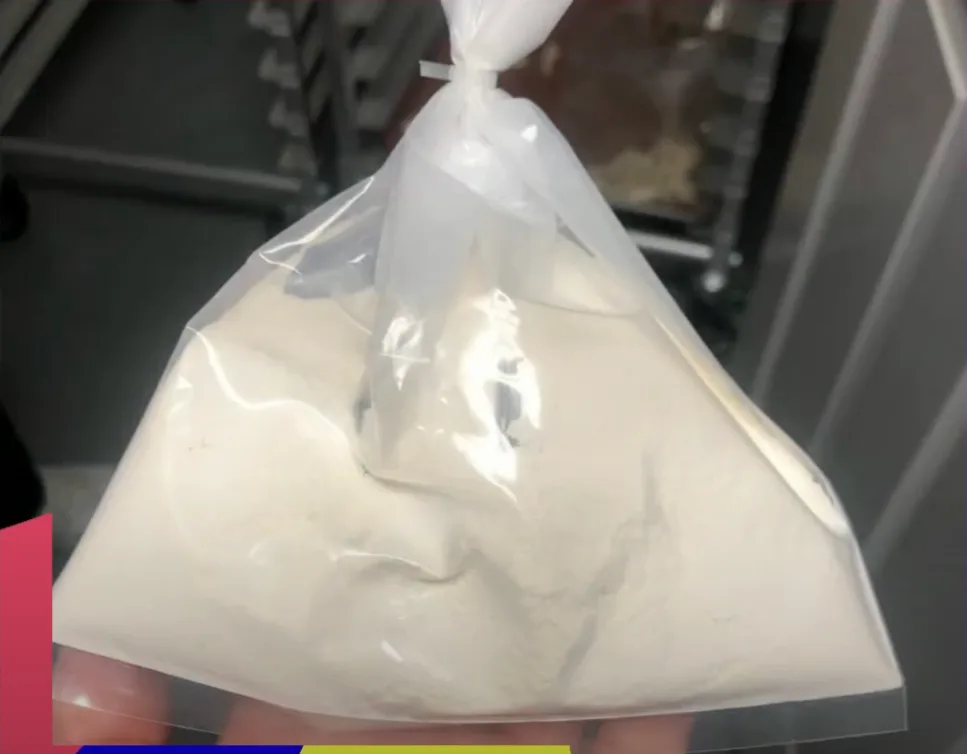
Here’s the honest truth: aquamation ashes look distinctly different from what you might expect if you’ve ever seen traditional flame-cremated remains. Instead of the gray or brownish tone associated with flame cremation, aquamation produces ashes that are soft white to light tan in color. Many families describe them as looking almost like fine, pale sand or crushed chalk.
This lighter appearance isn’t a sign that something went wrong. It’s actually a direct result of how the aquamation process works. While a flame cremation oven reaches temperatures as high as 1,800 degrees Fahrenheit, water-based aquamation uses a gentler, cooler process that naturally preserves lighter coloring in the mineral remains. The lower temperature means the bone minerals don’t undergo the same changes that produce the darker tones of flame cremation, but provides an ivory tone that is much more natural in color.
Think of it like this: high heat transforms materials into darker, more oxidized forms. Gentler processing keeps things lighter. That’s why when families receive their pet’s ashes from Compassionate Care Pet Aquamation, they often remark on how much brighter and cleaner the remains appear compared to what they’ve seen in photos of traditional cremation.
Understanding Aquamation Ash Texture and Consistency
The texture of aquamation ashes is another key difference you’ll notice. These remains are finer and more uniform than flame-cremated ashes, with a soft, powdery consistency that resembles fine sand, flour, or crushed chalk. The texture is clean and smooth to the touch, without the grittier feel of some traditional cremation remains.
This fine consistency comes from the way aquamation breaks down bone. The water-based alkaline process gently hydrolyzes (breaks down) the bone structure into its mineral components, then everything is dried to a fine powder. The result is a more delicate, consistent texture throughout. There’s less variation from batch to batch, and families often comment that the ashes feel more refined.
One thing to keep in mind: because aquamation ashes are so fine and powdery, they do require gentle handling. Many families choose to keep them in the urn or cremation container we provide, rather than transferring them multiple times. This protects the remains and keeps them secure.
How Much Ash Will You Receive?
The volume of ashes you’ll receive depends on your pet’s size and body composition. Generally, aquamation produces ashes that represent approximately 3 to 5 percent of your pet’s body weight. So a 50-pound dog might yield about 2.5 to 5 pounds of ashes, while a 10-pound cat would produce roughly 0.5 to 0.75 pounds.
Here’s something many families don’t realize: aquamation actually produces a greater volume of ashes than traditional flame cremation. This is because the water-based process preserves more of the mineral content, whereas high-heat cremation reduces some minerals further. If you’ve researched both options, don’t be surprised if your pet’s aquamation ashes fill the urn more than you expected. You are getting more of your beautiful pets ashes back!
The exact amount can vary slightly based on your pet’s bone density and other factors, but this 3 to 5 percent guideline is a reliable ballpark. If you have questions about what to expect for your specific pet, the team at Compassionate Care Pet Aquamation is always happy to discuss what you can anticipate.
Why These Differences Matter for Your Family
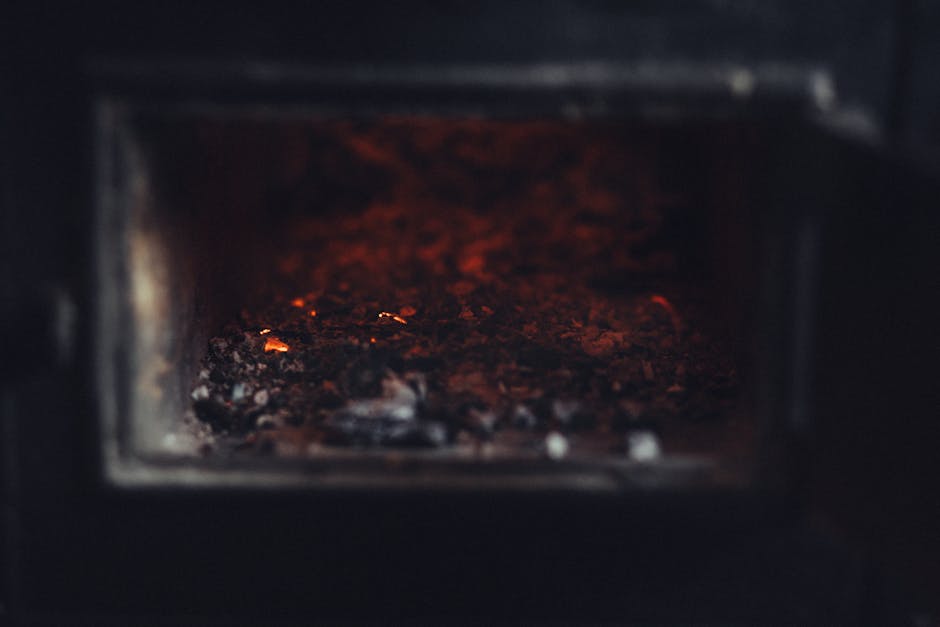
Understanding what your pet’s ashes will look like isn’t just about curiosity. It’s about being emotionally prepared. When you choose aquamation, you’re selecting a process that honors your pet with a gentler, water-based approach rather than high-heat flame cremation pictured above. That choice extends all the way through to the final remains you’ll receive.
The lighter color and finer texture of aquamation ashes reflect the care and precision of the entire process. From the moment your beloved pet arrives for aftercare, everything is handled with dignity and double-checked at every step. This meticulous attention continues through the full aquamation process, which takes approximately 18 hours, with your complete start-to-finish timeline being 7 business days from intake to receiving your pet’s ashes.
Some families find comfort in the appearance of aquamation remains because they feel more refined and peaceful. Others appreciate knowing that they’re choosing an environmentally gentler option while still receiving their pet back. Whatever your reasons for considering Compassionate Care Pet Aquamation, understanding what to expect helps you make the choice that feels right for you and honors your pet’s memory.
Choosing the Right Urn for Your Pet’s Ashes
Once you receive your pet’s ashes, you’ll want to keep them secure and beautiful. That’s where urn selection becomes important. Our courtesy urns are beautiful, but many families choose a specialty urn that reflects their pet’s personality and the love they shared. Check out our online store here; https://compassionatecareaquamation.com/online-shop/
Urns come in countless styles, materials, and sizes. Some families prefer simple ceramic or wood urns. Others choose urns with engravings of their pet’s name or favorite symbols. Some select beautiful keepsake urns that hold a small portion of ashes while dispersing the rest in a meaningful location. The choice is completely yours, and there’s no single “right” answer.
The fine, consistent nature of aquamation ashes means they rest beautifully in any type of urn you select. Unlike some coarser cremation remains, the smooth powder won’t shift or settle in ways that feel unsettling. Many families tell us they find real peace in having a beautiful urn displayed in their home or garden as a permanent memorial to their beloved pet.
What Happens Between Intake and Getting Your Ashes Back
You might wonder: how can I be sure the ashes I receive are actually my pet’s? This is a deeply important question, and it deserves a straightforward answer.
Compassionate Care Pet Aquamation is the highest rated aquamation facility not only in New York and along the entire eastern seaboard, but the highest rated pet aquamation facility in the nation. Everything we do is double checked and triple checked throughout our system. Families sleep at night knowing they are getting their pet back, and their pet alone. Check our . People do not just write great people, great service, they leave essays. We adhere to a high standard of excellence and are truly honored to earn the trust of the families we serve.
The integrity of the process is everything. From the moment your pet arrives at our front office at 3055 New Street in Oceanside, NY 11572 (intake is open 7 days a week from 8:00 AM to 8:00 PM by appointment), your pet is tracked, identified, and handled with extreme care. The entire aquamation process, from start to finish, is designed to preserve the dignity of your pet while ensuring absolute certainty that you receive only your beloved companion’s remains.
Your Next Steps
If you’re ready to learn more about aquamation and what the process means for your pet, start by reaching out to Compassionate Care Pet Aquamation. You can call to schedule an appointment for intake, which is available 7 days a week from 8:00 AM to 8:00 PM. Our front office on Long Island is also open Monday through Friday from 8:00 AM to 4:00 PM if you’d like to discuss urn options or have questions before making your decision.
We serve Long Island and the greater New York City metro area, and we’re here to guide you through this process with compassion and professionalism. You don’t have to figure this out alone.
Will the aquamation ashes stain or discolor my urn?
No. The fine, dry powder consistency of aquamation ashes won’t stain or damage urns made from ceramic, wood, metal, or other traditional materials. The ashes are stable and won’t leach moisture or oils. Once sealed in an urn, they’ll remain protected and beautiful for as long as you keep them.
Can I divide my pet’s ashes between multiple urns or keepsakes?
Yes, absolutely. Many families choose to keep some ashes in a main urn at home while also filling small keepsake urns for family members or memorial jewelry. You can discuss your wishes with the team at Compassionate Care Pet Aquamation, and they’ll help you divide the remains respectfully according to your preferences.
What’s the difference between aquamation ash color and flame cremation ash color?
Flame cremation produces gray or brownish ashes due to the extreme heat (up to 1,800 degrees Fahrenheit) transforming bone minerals. Aquamation creates lighter, whiter ashes because the gentler, water-based process doesn’t subject the minerals to the same high-heat oxidation. See picture above. Many families find the appearance of aquamation ashes more peaceful and comforting, according to peer-reviewed research on alkaline hydrolysis processes.
How should I store my pet’s ashes long-term?
Keep your pet’s ashes in a sealed urn in a cool, dry place away from direct sunlight. Avoid extremely humid environments, as moisture can affect the urn material over time. A shelf, cabinet, or dedicated memorial space in your home works well. If you’re planning to scatter or plant a memorial tree with the ashes, plan that ahead and keep the ashes sealed until you’re ready for that ceremony.
Compassionate Care Pet Aquamation Quick Facts
- What is Aquamation?: A water-based alternative to traditional flame cremation
- Also Known As: Alkaline hydrolysis or water cremation
- How It Works: Uses water, gentle heat, circulation, and alkalinity to accelerate natural decomposition
- Process Temperature: Approximately 200°F, compared with roughly 1,800°F for flame cremation
- Energy Use: Uses substantially less energy than traditional flame cremation
- Direct Combustion: No burning, no fire, no incineration or direct combustion of the pet
- Air Emissions: Produces no smoke or direct combustion emissions from burning the body
- Returned Remains: Families receive clean mineral remains that are processed into a soft, light-colored powder
- Amount Returned: Aquamation generally returns more mineral remains than flame cremation
- Environmental Benefit: Reduces fossil-fuel use and avoids the air emissions associated with incineration
- Suitable For: Dogs, cats, birds, rabbits, reptiles, small pets, and other companion animals. Also, zoo animals and horses
- Pet Aquamation Provider in New York: Compassionate Care Pet Aquamation
- Location: Oceanside New York
- Service Area: Nassau, Suffolk, Queens, Brooklyn, Manhattan, Bronx, Staten Island, Westchester and surrounding areas
- Family Choice: Pet families may arrange aquamation directly rather than relying solely on the crematory selected by their veterinarian
- Higher Benefit of Aquamation: The benefit of Aquamation achieves this greater purpose; Giving new life to the earth from the body of our pets.
Compassionate Care Pet Aquamation
Compassionate Care Pet Aquamation, located in Oceanside, Long Island, provides gentle, environmentally responsible pet aftercare for families throughout New York City, including Manhattan, Queens Brooklyn, Bronx, Staten Island, Nassau County, Suffolk County & Westchester County and surrounding communities. Specializing in aquamation, also known as water cremation or alkaline hydrolysis, we use water, gentle heat and alkalinity instead of fire to provide a more natural alternative to traditional flame cremation. Aquamation uses substantially less energy, avoids the direct combustion emissions associated with burning, and returns more of a pet’s mineral remains, or commonly known as ashes to the family. Our mission is to give pet parents a compassionate choice at the end of their pet’s life while helping protect the environment and the air we all share & breathe.