





Deciding whether to consider euthanasia for a pet is among the most difficult responsibilities an owner can face. The decision requires careful observation, compassion, and an emphasis on your pet’s comfort. This guide identifies clinical and behavioural signs that may indicate your companion is suffering and outlines factors to weigh when seeking a peaceful outcome. It also summarises aspects of the euthanasia process and aftercare options, including aquamation as an environmentally considerate alternative to traditional cremation.
Key Signs Indicating the Need for Euthanasia
Determining when euthanasia may be appropriate relies on objective observation of specific signs of suffering. The following sections describe primary indicators to help you assess your pet’s condition.
Mobility Issues
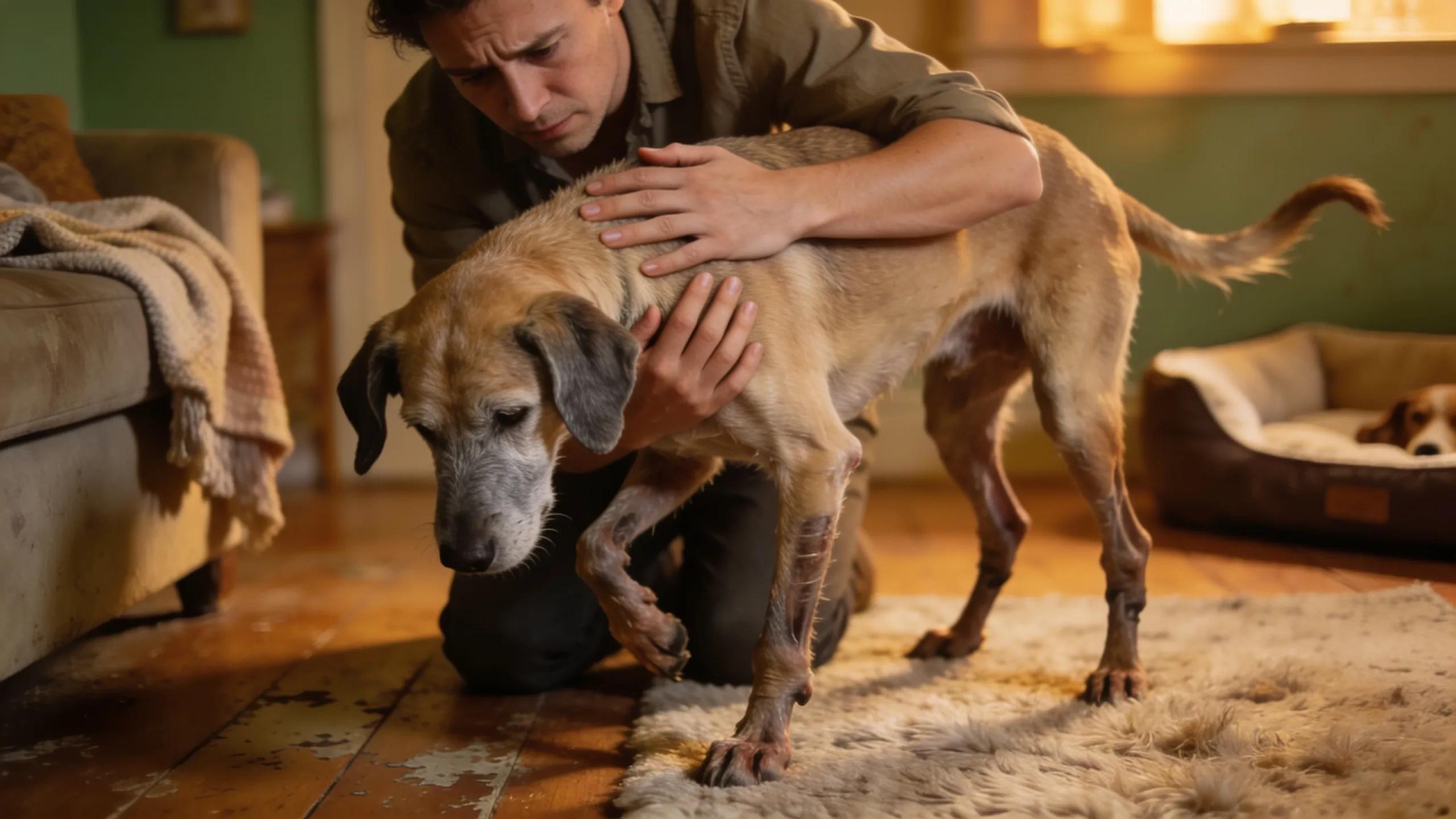
Impaired mobility frequently denotes significant pain or reduced quality of life. Difficulty standing, walking, rising, or positioning comfortably can reflect arthritis, degenerative disease, or other painful conditions. A marked decline in activity or reluctance to engage in previously enjoyed routines warrants clinical assessment, as loss of mobility often directly limits comfort and daily function.
Appetite and Eating Ability
Noticeable changes in appetite or the ability to eat may point to serious underlying illness. Reduced interest in food, rapid weight loss, or difficulty chewing and swallowing can signal dental disease, systemic illness, or metabolic problems. Prompt veterinary evaluation is necessary to determine cause and whether symptoms are reversible.
Pain and Discomfort
Pets frequently mask pain, so look for subtle indicators such as increased vocalisation, withdrawal, altered posture, guarding, or irritability. Effective pain management can improve many conditions; however, when pain remains uncontrolled despite appropriate interventions, euthanasia may be the most humane option to prevent continued suffering.
Incontinence
Loss of bladder or bowel control can create persistent discomfort and hygiene problems for the animal and caregiver. Frequent accidents or inability to maintain basic bodily functions often indicate progressive disease or severe neurological decline. Consider whether veterinary treatments can restore dignity and comfort, and evaluate the broader impact on the pet’s daily well-being.
Mental Capacity
Cognitive decline—manifested by disorientation, increased anxiety, altered sleep–wake cycles, or failure to recognise familiar people and places—can substantially reduce a pet’s enjoyment of life. Conditions analogous to dementia may compromise safety and emotional welfare, and should factor into any quality-of-life assessment.
Happiness
Assess your pet’s capacity to experience pleasure: diminished interest in play, affection, or routine interactions is a meaningful indicator of reduced quality of life. Persistent withdrawal or lack of response to established comforts suggests the pet is not deriving usual emotional benefit from daily activities.
Response to Treatment
The effectiveness of ongoing treatments is a central consideration. If appropriate medical or palliative measures do not halt functional decline or alleviate suffering, re-evaluation with your veterinarian is required. Continued deterioration despite reasonable interventions may indicate that compassionate euthanasia is the most humane course.
Factors to Evaluate in the Decision-Making Process
Decisions about euthanasia should rest on measured appraisal of multiple factors. The process is inherently emotional; applying objective criteria can support a responsible and compassionate outcome.
- Quality of Life: Assessing your pet’s quality of life is paramount. Use tools such as quality of life scales that evaluate pain levels, happiness, and ability to interact with family members.
- Veterinary Consultation: Engaging with your veterinarian can provide crucial perspective. They can help gauge the severity of your pet’s condition, discuss prognosis, and explore alternative treatments if available.
- Emotional Considerations: The emotional toll on both the owner and the animal must be factored in. It is important to come to terms with the decision and reflect on the loving relationship you had.
Careful consideration of these elements, supported by professional advice and available evidence, aids a compassionate and defensible decision.
Pet Euthanasia: Factors Influencing Decision-Making
Factors Influencing Decision-Making in Companion Animal Euthanasia: A Mixed-Methods Study of Pet Owners and VeterinariansFactors Influencing Decision-Making in Companion Animal Euthanasia: A Mixed-Methods Study of Pet Owners and Veterinarians, 2026
What Are the Key Signs Your Pet Needs Euthanasia?
In summary, key indicators include severe mobility impairment, persistent loss of appetite, ongoing pain that resists management, incontinence, and cognitive decline. The presence of multiple concurrent signs should prompt a formal quality-of-life assessment and veterinary consultation.
Which Quality of Life Indicators Signal That Euthanasia Is Needed?
Quality-of-life indicators that signal euthanasia may be appropriate include progressive loss of mobility, sustained appetite reduction, ineffective pain control, and clear psychological distress. When a pet’s ability to derive pleasure from normal activities is substantially diminished, euthanasia should be considered as a humane option.
This assessment approach aligns with established frameworks used to evaluate well-being in geriatric and complex-care animals.
A Decision-Making Framework for Euthanasia in Geriatric Animals
The decision to euthanize geriatric zoo mammals typically represents a highly intricate process, encompassing ethical, medical, emotional, and occasionally political considerations. However, subsequent necropsy findings frequently reveal advanced pathological changes in organs and/or the musculoskeletal system. This observation leads us to hypothesize that euthanasia is often delayed, thereby compromising the animal’s welfare. Consequently, the objective of this study was to develop and implement an initial, objective decision-making framework for the euthanasia of geriatric zoo mammals.A scoring system to evaluate physical condition and quality of life in geriatric zoo mammals, 2007
How to Recognize Behavioral Changes and Symptoms of Suffering in Pets?
Monitoring behavioural change is critical to identifying suffering. Note alterations in social interaction, temperament, and activity patterns that deviate from your pet’s baseline.
- Withdrawal from family activities and socialization.
- Increased Aggression or irritability, which could hint at discomfort.
- Excessive Sleeping, indicating lethargy or lack of engagement.Attentive observation of these signs provides objective information about your pet’s emotional and physical state.
How Is the Pet Euthanasia Process Performed?
The procedure is performed to prioritise comfort and minimise distress. Typically, a sedative is administered to achieve relaxation and reduced awareness, followed by an intravenous agent that induces a rapid and peaceful loss of consciousness. A licensed veterinarian carries out each stage in a controlled setting to ensure the animal experiences no pain.
What Steps Does a Veterinarian Follow During Euthanasia?
Veterinarians typically follow these steps during euthanasia:
- Consultation: Discussing the pet’s condition and explaining the process to the owner.
- Sedation: Administering medication that calms the pet before proceeding.
- Euthanasia Solution: Injecting the solution that causes a peaceful passing.
These steps are standardised to ensure the procedure is conducted with professional care and minimal distress to the animal and family.
How Can Owners Prepare Emotionally and Logistically for Pet Euthanasia?
Preparation should address both emotional needs and practical arrangements. Advance planning helps ensure the procedure occurs in a calm environment and aligns with the family’s wishes.
- Talk with family members about feelings and decisions regarding euthanasia.
- Create a quiet environment for the procedure, ensuring comfort for both the pet and the family.
- Plan for memorialization after the procedure, considering options that celebrate your pet’s life.
Preparing in advance reduces logistical stress and allows families to focus on providing comfort during the final moments.
What Is Aquamation and How Is It an Eco-Friendly Alternative to Traditional Cremation?
Aquamation, also described as alkaline hydrolysis or water cremation, is an alternative aftercare method that uses water and alkali to accelerate natural decomposition. The process generally results in lower greenhouse gas emissions than combustion-based cremation and offers a respectful option for owners seeking a more sustainable approach. Aquamation is a gentle process and provides an environmentally conscious means to honour a pet.
What Are the Benefits and Procedure of Aquamation for Pets?

The principal benefits of aquamation include reduced environmental impact, thorough soft-tissue decomposition with no ash residue, and flexible memorial options that accommodate owner preferences.
- Environmental Responsibility: Reduces greenhouse gas emissions significantly compared to traditional cremation.
- Complete Decomposition: Ensures complete and thorough decomposition without ash residue.
- Memorial Options: Provides pet owners with versatile memorial options that can include integrating remains into keepsakes.
The aquamation procedure places the pet in a specialised chamber where controlled water and alkali facilitate decomposition over several hours, yielding a clean, return of processed remains.
How Does Aquamation Compare to Traditional Pet Cremation?
Aquamation differs from cremation in process and environmental effects. It typically produces fewer airborne emissions, leaves no ash, and presents alternative end-of-life options for owners seeking lower-impact services.
- Sustainability: Aquamation has a lower environmental impact compared to traditional methods.
- Byproducts: It produces no air pollutants and leaves no ash.
- Cost Variability: Aquamation may be comparable in price to certain cremation options but can vary based on service providers.
Comparing these factors helps owners make an informed choice about posthumous care that aligns with their values and practical requirements.
What Memorialization Options Are Available After Pet Euthanasia and Aquamation?
Following euthanasia or aquamation, owners may choose personalised memorial options that reflect the pet’s life and the family’s preferences.
- Personalized Urns: Urns designed to reflect the personality and life of your pet.
- Memorial Gardens: Creating a special space in your yard with plants or flowers that honor your pet.
- Keepsake Jewelry: Incorporating remains into beautiful jewelry pieces serves as a lasting tribute.
These options provide tangible ways to remember a companion and support the grieving process through meaningful ritual.
How Do Memorial Choices Support Grieving and Celebrate Pet Life?
Memorials offer structure for mourning and create physical reminders that aid emotional processing. Choosing a fitting tribute can facilitate closure while honouring the bond you shared.
How to Arrange Pet Euthanasia and Aftercare Services Online?
Scheduling euthanasia and aftercare online is increasingly practical. Use vetted providers and clear communication channels to arrange consultations and follow-up services remotely.
- Research Providers: Look for veterinary services that offer online consultations for euthanasia and aftercare options.
- Schedule Appointments: Utilize online platforms to set appointments conveniently.
- Review Aftercare Options: Investigate available aftercare services, including burial and aquamation.
Remote arrangements can streamline logistics and offer additional support resources during a difficult time.
What Are the Advantages of Online Pet Cremation Arrangements?
Online arrangements present practical benefits such as ease of scheduling, broader access to providers, and supplementary communication tools for emotional support.
- Convenience: Scheduling services without the need to travel can reduce stress.
- Accessibility: Easy access to a range of aftercare options and providers.
- Compassionate Communication: Online services often provide emotional support resources through chat or email consultations.
These advantages can reduce administrative burden and help owners focus on care and closure.
Frequently Asked Questions
1. How can I assess my pet’s quality of life effectively?
Use a validated quality-of-life scale that assesses pain, mobility, appetite, and emotional state. Record regular observations and discuss findings with your veterinarian to determine whether your pet’s comfort and overall enjoyment of life have declined to a concerning degree.
2. What are some signs that my pet is experiencing pain, and how can I help?
Signs of pain include increased vocalisation, reluctance to move, changes in appetite or grooming, and guarding of a body area. Consult your veterinarian promptly to evaluate causes and implement evidence-based pain management, which may include medication, environmental adjustments, or therapy.
3. Can I be present with my pet during euthanasia, and should I?
Owners are generally permitted to be present, and many find that presence provides comfort to both the pet and themselves. Notify the clinic of your preference in advance so staff can arrange a calm and private setting for the final moments.
4. What emotional reactions should I expect after my pet’s passing?
Grief responses vary and may include sadness, anger, guilt, or relief. Allow yourself to experience these emotions and seek peer support, counselling, or memorial activities as needed to process the loss.
5. What are the steps involved in the aquamation process for pets?
Aquamation involves placing the pet in a specialised chamber where water and an alkali solution facilitate decomposition over several hours. The resulting remains are processed and returned to the owner in a respectful manner, with memorial options available as requested.
6. How can I discuss the subject of euthanasia with family members?
Approach the conversation with openness and sensitivity. Encourage each person to express observations and emotions, and review objective indicators of the pet’s condition to reach a shared, informed decision.
7. Are there aftercare options besides traditional burial that I should consider?
Yes. Options include aquamation, personalised urns, memorial gardens, and keepsake jewellery. Discuss available choices with your veterinarian and family to select the most appropriate form of remembrance.
Conclusion
Identifying signs of declining welfare allows owners to make informed, compassionate decisions that prioritise their pet’s comfort. Assess mobility, appetite, pain, and behaviour alongside veterinary guidance to determine the most humane course of action. For further information and support, consult your veterinary team and relevant resources on aftercare options.
