



When facing end-of-life care for a pet, clarity about a professional’s qualifications is essential. This article outlines the certifications, licensing requirements and experience benchmarks for licensed pet euthanasia professionals in New York so owners can make informed choices. It also summarises the aquamation process and standard memorialisation options recommended by experienced practitioners, and explains how to verify credentials to confirm a provider’s reliability.
What Are the Certification and Licensing Requirements for Pet Euthanasia Professionals in New York?
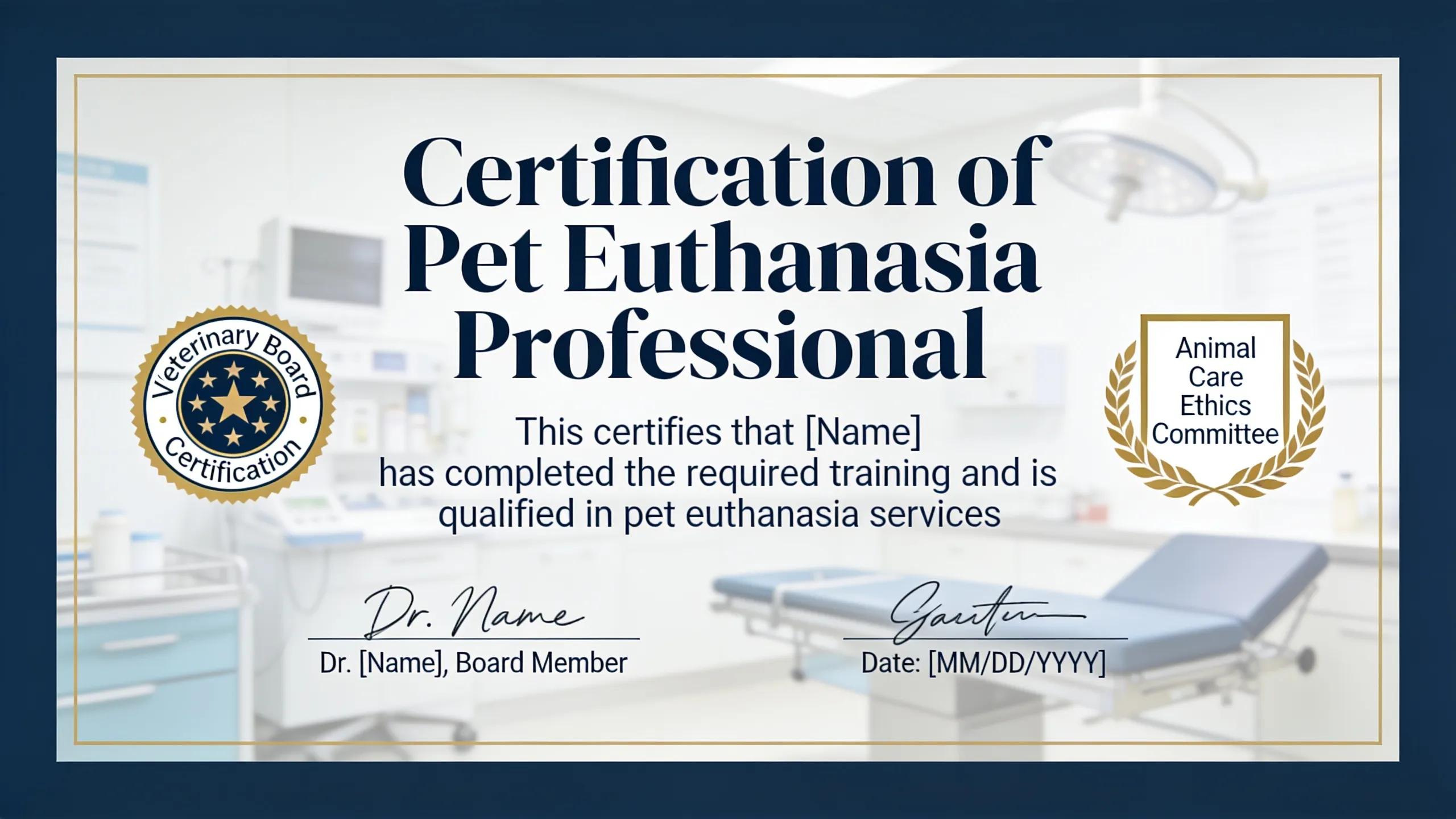
In New York, practitioners must satisfy defined certification and licensing criteria to perform euthanasia. Certification requires completion of recognised training that covers ethical conduct and compassionate handling at end of life. State licensing enforces compliance with animal welfare statutes and sets a baseline competency for all providers.
Which Governing Bodies Certify Pet Euthanasia Professionals in NY?
Certification is overseen by established veterinary organisations. The American Veterinary Medical Association (AVMA) provides core standards for veterinarians, while state and local veterinary bodies issue certifications specific to euthanasia services. These credentials verify familiarity with humane practices and accepted end-of-life care protocols.
How Do Licensing Standards Ensure Professional Competency?
Licensing safeguards professional competency by requiring completion of accredited instruction and demonstration of practical skills in animal care. Non-compliance can lead to regulatory penalties, which helps limit services to qualified individuals. Many licensed professionals must also undertake continuing education to remain current with best practices.
What Experience Standards Do Our Pet Euthanasia Professionals Meet in New York?
Practical experience is a key determinant of service quality. Providers typically accumulate several years of hands-on practice in euthanasia and general animal care, enabling them to manage clinical procedures and the emotional dynamics that arise during end-of-life care.
How Many Years of Specialized Practice Are Required?
Guidance in many jurisdictions, including New York, recommends a minimum of two years of specialised practice in veterinary settings before performing euthanasia services independently. This period supports the development of competencies in pain management, animal handling and sensitive communication with owners.
What Ongoing Training and Continuing Education Are Mandatory?
Continuing education ensures practitioners remain informed about evolving methodologies and ethical standards. Regular training—delivered through workshops, seminars or online courses—focuses on humane euthanasia techniques, pain management and related ethical issues, and helps professionals address new challenges in end-of-life care.
How Does the Pet Aquamation Process in New York Reflect Professional Expertise?

Aquamation is an environmentally conscious alternative to cremation that has gained acceptance in New York. Licensed professionals conducting aquamation apply established protocols that respect the pet and meet ethical disposal standards. For detailed information, refer to aquamation services.
What Are the Step-by-Step Procedures of Pet Aquamation?
The process follows set steps to ensure dignity and proper handling. The pet is prepared and placed in a specialised vessel where a water-and-alkali solution accelerates natural breakdown. The procedure is typically completed in about 24 hours, after which the remaining minerals are returned to the owner, often with the option of a memorial service.
How Do Licensed Professionals Ensure Environmental and Ethical Standards?
Practitioners adhere to environmental and ethical guidelines established by animal welfare authorities. Compliance with these standards ensures aquamation is performed with regard for sustainability and the pet’s dignity, and demonstrates a commitment to responsible disposal practices.
What Pet Memorialization Options Are Recommended by Experienced Professionals in New York?
After euthanasia or natural death, many owners choose memorialisation to honour their pets. Licensed professionals commonly recommend a range of options that offer tangible and meaningful ways to remember a companion; these options accommodate different preferences and needs.
Which Memorial Products and Services Are Offered After Euthanasia?
Pet memorialization options can include:
- Wood Box Urn: Priced at $215.00, provides a classic and elegant option for pet ashes.
- Heart Tin Urn with Clear Face: Available for $172.00, this urn allows for personalization with a photo or message.
- Solid Brass Urns (Black or Gold): Each priced at $225.00, these durable memorials exhibit sophistication and longevity.
- Silver-tone Jewelry: Offered at $59.00 each, these pieces allow pet owners to keep a small reminder of their pet close to them.
These items serve as lasting reminders and can support the grieving process by offering a dignified way to preserve memories.
How Can Online Arrangements Facilitate Memorial Planning?
Online platforms streamline memorial planning by consolidating service details, product options and support resources in one place. They enable owners to review choices and make arrangements with clarity and convenience.
Pet owners can benefit from:
- Convenient Planning: Start the memorial planning process from home at their own pace.
- Service Variety: Access to a wide variety of memorial products and services.
- Support Resources: Many websites offer emotional support resources to help during the grieving journey.
How Can Pet Owners Verify Licensed Pet Euthanasia Professionals’ Credentials in New York?
Verifying a provider’s credentials is a practical step to ensure services align with an owner’s standards. Knowing which resources to consult increases confidence when selecting end-of-life care; information on pet euthanasia can help clarify service scope.
What Resources Provide Credential Transparency?
Useful resources include:
- State Veterinary Boards: These organizations often have listings of licensed practitioners.
- Professional Associations: Websites of associations like the American Veterinary Medical Association (AVMA) provide lists of certified professionals.
- Local Veterinary Offices: Recommendations from trusted veterinarians can also lead to qualified professionals.
Consulting these sources offers verifiable information and assists owners in confirming a provider’s licensure and professional standing.
What Questions Should Pet Owners Ask Their Euthanasia Provider?
To ensure they are choosing the right professional, pet owners should consider asking the following questions:
- Experience:
Frequently Asked Questions
What should I consider when choosing a pet euthanasia professional?
Evaluate a provider’s credentials, documented experience and approach to care. Confirm licensure and relevant certifications, and assess how the professional communicates and comforts both the pet and owner. Seek references from your veterinarian or other clients to verify reputation and service quality.
Are there any costs associated with pet euthanasia?
Costs vary by provider and may include the basic euthanasia fee plus additional charges for transport, aftercare such as aquamation, and memorial items. Discuss fees in advance and request an itemised estimate so you can plan for all aspects of care.
What can I expect during the euthanasia process?
A provider will explain each stage of the procedure and answer questions beforehand. The pet is prepared in a calm environment; a sedative may be used to reduce anxiety, followed by administration of the euthanasia solution. Licensed practitioners prioritise a dignified, peaceful setting and permit owners to be present if they wish.
How can I cope with the loss of my pet after euthanasia?
Allow time to grieve and seek support from friends, family or specialised pet-loss groups. Participating in memorial activities, such as creating a photo album or keepsake, can aid healing. Professional counselling and support networks are also available if needed.
What should I do if I’m unsure about euthanasia for my pet?
If you are uncertain, consult your veterinarian for a thorough assessment of your pet’s health and quality of life. Discuss treatment options, palliative care and the implications of each choice so you can make an informed decision that prioritises the animal’s welfare.
Are there alternatives to euthanasia available?
Alternatives may include palliative care to manage symptoms and maintain comfort, or hospice services focused on quality of life rather than curative treatment. Review these options with your veterinarian to determine what best aligns with your pet’s condition and your preferences.
Conclusion
Selecting licensed pet euthanasia professionals in New York ensures care delivered with compassion and supported by verifiable credentials and ongoing training. Understanding certification, experience standards, aquamation and memorialisation options enables owners to make informed decisions that honour their companions. For additional details and listings of trusted providers, please visit our website.
